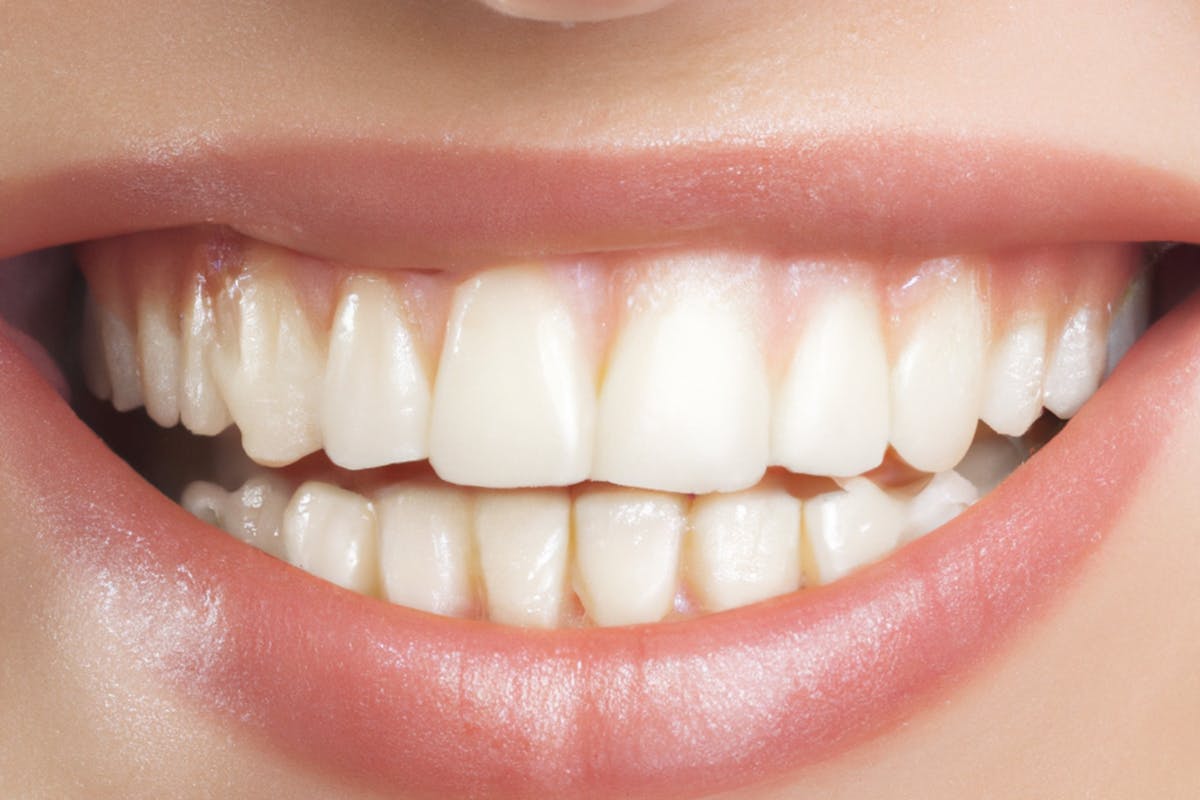

- Proper brushing and flossing are the foundation of a healthy, attractive smile.
- Regular dental checkups and professional cleanings prevent damage and enhance brightness.
- Cosmetic options like whitening, bonding, and veneers can dramatically improve appearance.
- Orthodontic treatments, including clear aligners and braces, correct misalignment at any age.
- A balanced diet and good lifestyle habits support long-term oral health and smile aesthetics.
- Healthy gums are essential for a youthful, confident smile.
- Replacing missing teeth with implants, bridges, or dentures restores function and appearance.
A healthy, confident smile is one of the most powerful features you can have. It influences first impressions, supports clear speech, and reflects your overall health. Whether you are in your teens, building your career, or enjoying retirement, it is never too early or too late to make positive changes. The good news is that modern dentistry and consistent daily habits make it easier than ever to enhance your smile safely and effectively.
If you have been wondering how to improve your smile without extreme measures, this guide covers ten dentist-approved strategies that work at any age. From foundational oral hygiene to advanced cosmetic options, these methods focus on both health and appearance. Each approach is backed by professional recommendations and designed to help you build lasting results.
1. Are You Brushing and Flossing the Right Way?
Before exploring cosmetic treatments or professional procedures, it is essential to master the basics. Many people brush twice a day but still struggle with plaque buildup, gum inflammation, or surface stains. Technique matters just as much as frequency. Dentists consistently emphasize that proper brushing and flossing form the foundation of a healthy, attractive smile.
Good oral hygiene prevents cavities, gum disease, and bad breath. It also keeps enamel strong and reduces discoloration caused by plaque accumulation. If your daily routine is inconsistent or rushed, small improvements can significantly enhance the way your teeth look and feel.
Brush With Proper Technique
Use a soft-bristled toothbrush and fluoride toothpaste. Hold the brush at a 45-degree angle toward your gum line and use gentle, circular motions. Brush for at least two minutes, making sure to clean the front, back, and chewing surfaces of every tooth.
Avoid aggressive scrubbing, which can wear down enamel and irritate gums. Electric toothbrushes can help improve consistency and coverage.
Floss Daily Without Skipping
Flossing removes debris and plaque between teeth where brushes cannot reach. Slide the floss gently between each tooth and curve it around the tooth in a C-shape. Move it up and down to clean beneath the gum line.
If traditional floss feels difficult, consider floss picks or water flossers. Consistency is more important than the method.
2. How Often Should You Visit the Dentist?
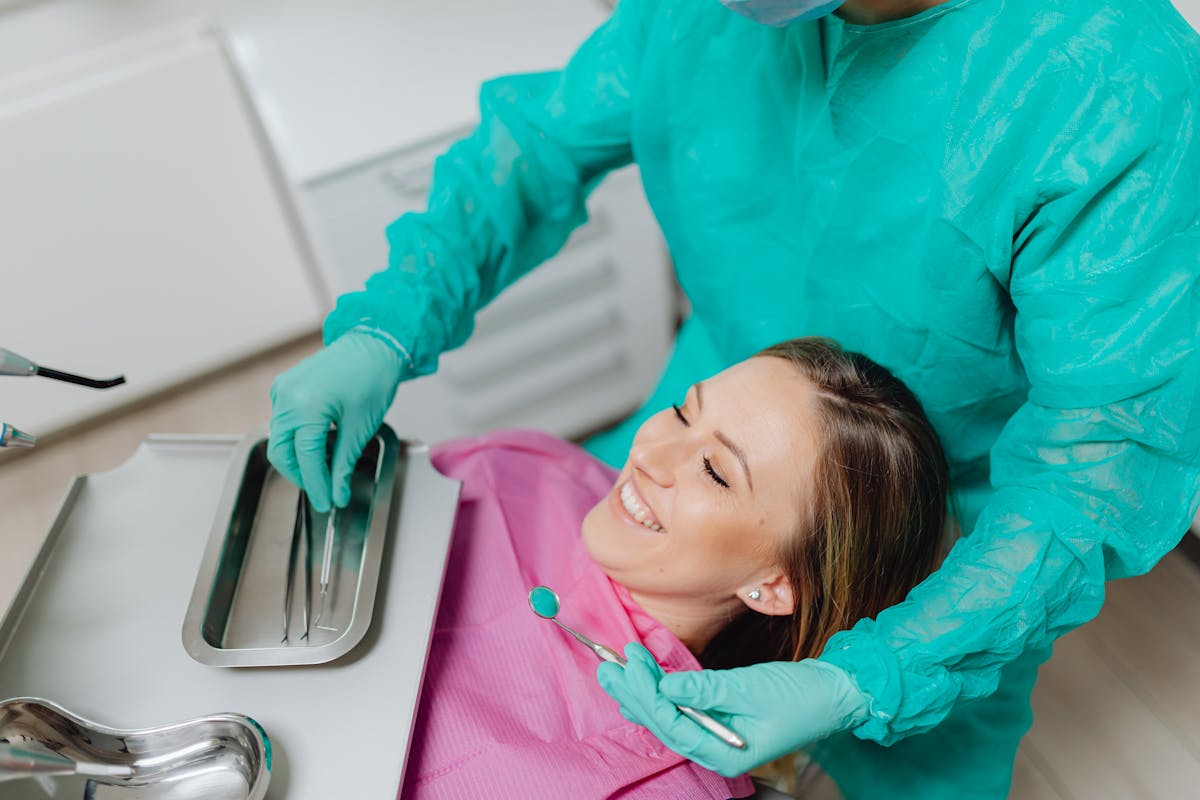
Routine dental visits are one of the most overlooked ways to improve your smile. Even if your teeth look fine, professional cleanings remove hardened plaque (tartar) that cannot be eliminated at home. Dentists also detect early signs of decay, gum disease, or enamel erosion before they become visible problems.
Most professionals recommend checkups every six months, although some individuals may need more frequent visits. Preventive care reduces the risk of major dental issues and helps maintain a brighter, healthier smile long term.
Professional Cleanings Matter
During a cleaning, dental hygienists remove tartar buildup and polish your teeth. This process helps reduce staining and improve overall brightness. Clean teeth also reflect light better, enhancing their natural appearance.
Early Detection Prevents Bigger Problems
Dentists screen for cavities, gum recession, and oral health concerns. Addressing small issues early prevents expensive and invasive treatments later. Healthy gums are essential for a confident smile.
3. Improve Your Smile With Professional Teeth Whitening
Stained or yellowed teeth are among the most common cosmetic concerns. Aging, coffee, tea, red wine, and tobacco can all darken enamel over time. While over-the-counter products may offer minor improvements, professional whitening provides more noticeable and safer results.
Dentists use high-quality bleaching agents that brighten teeth without damaging enamel. In-office treatments can lighten teeth several shades in a single visit, while take-home trays provide gradual improvement.
In-Office Whitening
This option delivers fast results. Dentists apply a protective barrier to your gums before using a professional-strength whitening gel. Many patients see significant improvement after one session.
Custom Take-Home Kits
Dentists provide custom-fitted trays and whitening gel for home use. These trays ensure even application and reduce gum irritation. Results appear gradually over one to two weeks.
4. Could Orthodontics Straighten Your Teeth?
Crooked or crowded teeth affect both appearance and oral health. Misalignment can make cleaning more difficult, increasing the risk of cavities and gum disease. Fortunately, orthodontic solutions are available for children, teens, and adults.
Modern options go beyond traditional metal braces. Clear aligners and discreet ceramic braces allow individuals to straighten teeth with minimal disruption to their daily lives.
Clear Aligners
Clear aligners are removable and nearly invisible. They gradually shift teeth into alignment over several months. Many adults prefer this option for its subtle appearance.
Traditional and Ceramic Braces
Braces remain effective for complex alignment issues. Ceramic versions blend with natural tooth color, making them less noticeable.
5. What Role Does Diet Play in a Better Smile?
Your diet directly influences the health and appearance of your teeth. Sugary snacks and acidic drinks weaken enamel and promote decay. On the other hand, nutrient-rich foods strengthen teeth and support gum health.
Dentists recommend limiting sugary beverages and increasing water intake. Crunchy fruits and vegetables naturally clean teeth surfaces while stimulating saliva production.
Smile-Friendly Foods
Include foods rich in calcium, such as dairy products and leafy greens. Phosphorus-rich foods like nuts and eggs also support enamel strength. Apples and carrots help remove surface debris.
Limit Stain-Causing Items
Reduce consumption of coffee, tea, red wine, and soda. When you do indulge, rinse your mouth with water afterward to minimize staining.
6. Is Gum Health the Secret to a Youthful Smile?
Healthy gums frame your teeth and play a crucial role in how your smile looks. Red, swollen, or receding gums can make teeth appear longer or uneven. Gum disease is also linked to serious health conditions, including heart disease and diabetes.
Maintaining gum health requires consistent oral hygiene and professional care. Early-stage gum disease, known as gingivitis, is reversible with proper treatment.
Watch for Warning Signs
Common symptoms include bleeding while brushing, persistent bad breath, and gum tenderness. Do not ignore these early indicators.
Professional Gum Treatments
Deep cleanings, also called scaling and root planing, remove bacteria below the gum line. Dentists may recommend medicated rinses or additional treatments depending on severity.
7. Can Dental Bonding Fix Small Imperfections?
Small chips, gaps, or irregular edges can affect your confidence when smiling. Dental bonding provides an efficient and cost-effective way to fix these imperfections. This cosmetic treatment involves applying a tooth-colored resin to reshape or restore your teeth.
Usually completed in a single visit, the dentist carefully molds and smooths the resin so it blends naturally with your existing enamel, resulting in a polished, uniform look.
Benefits of Bonding
- Minimally invasive
- Cost-effective compared to veneers
- Immediate improvement
Bonding works well for small cosmetic concerns but may not be suitable for extensive damage.
8. Are Veneers Right for a Complete Smile Makeover?
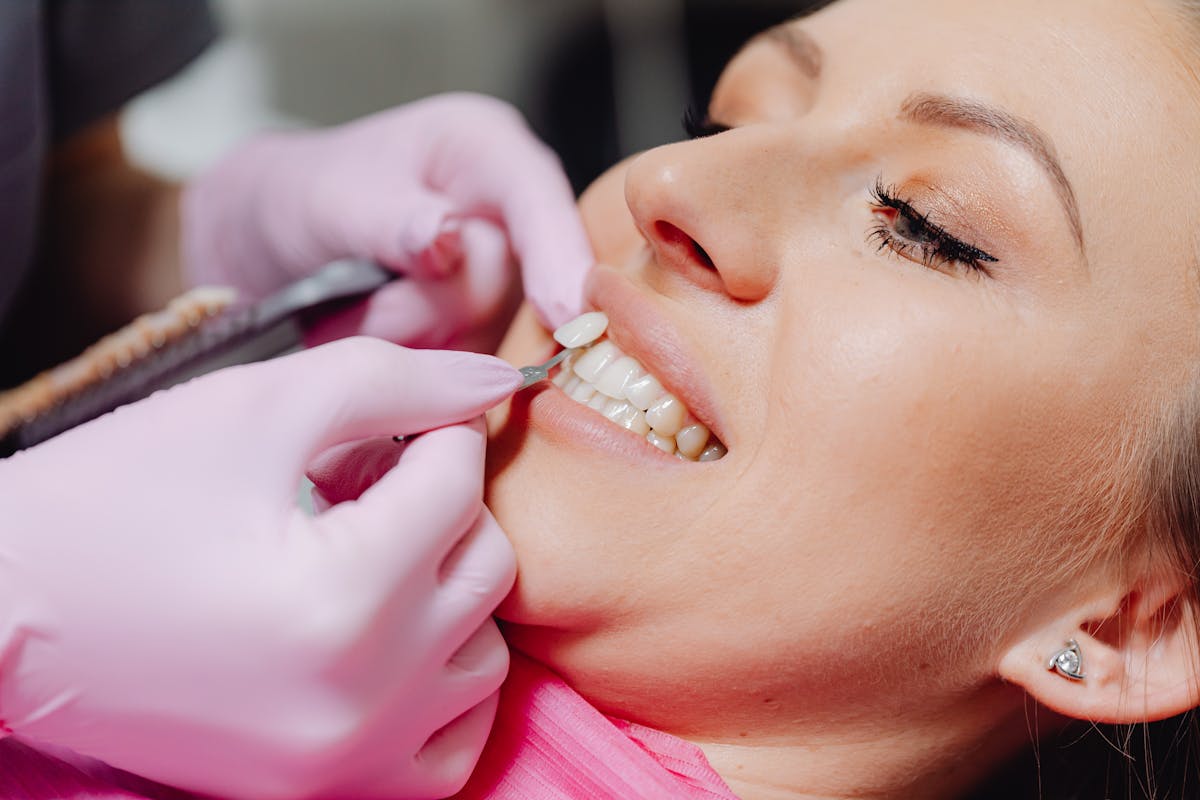
If you want a dramatic improvement, veneers may be worth considering. Veneers are thin porcelain shells placed over the front surface of teeth. They correct discoloration, gaps, minor misalignment, and irregular shapes.
Porcelain veneers are durable and resistant to staining. Many patients choose them for long-term aesthetic enhancement.
Advantages of Veneers
- Natural appearance
- Long-lasting results
- Stain resistance
However, veneers require enamel removal, making the procedure irreversible. Consult your dentist to determine suitability.
9. How Does Replacing Missing Teeth Improve Your Smile?
Missing teeth affect both confidence and oral function. Gaps can cause neighboring teeth to shift, leading to bite problems and uneven wear. Replacing lost teeth restores balance and improves facial structure.
Modern restorative options include dental implants, bridges, and partial dentures. These solutions are designed to look and function like natural teeth.
Dental Implants
Implants replace both the root and crown of a tooth. They provide strong support and help prevent bone loss in the jaw.
Bridges and Dentures
Bridges anchor artificial teeth to neighboring teeth. Partial dentures are removable and cost-effective alternatives.
10. Do Lifestyle Habits Affect Your Smile’s Appearance?
Beyond dental treatments, daily habits influence the longevity of your smile. Smoking and excessive alcohol consumption stain teeth and increase the risk of gum disease. Stress-related grinding, known as bruxism, can wear down enamel.
Protective measures and mindful habits make a significant difference over time. Small changes today can preserve your smile for decades.
Quit Smoking
Smoking contributes to severe discoloration and oral health problems. Quitting improves gum health and enhances overall appearance.
Wear a Night Guard if Needed
If you grind your teeth at night, a custom night guard prevents enamel wear and jaw discomfort.
Final Thoughts: Small Steps Lead to Big Changes
Improving your smile does not require drastic measures. In many cases, consistent daily care combined with professional guidance creates noticeable improvement. Whether you choose whitening, orthodontics, bonding, or simply better brushing habits, every step contributes to a healthier and more confident appearance.
The key is to consult a licensed dental professional who understands your goals and oral health history. With the right plan, you can achieve lasting results at any stage of life. A brighter, healthier smile is always within reach.