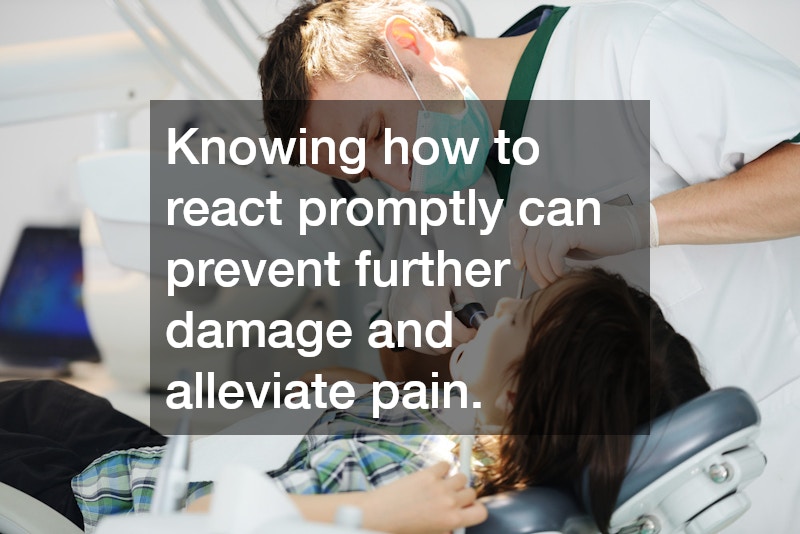
In this article, we’ll explore how to effectively manage dental emergencies, whether it’s a sudden toothache or a more severe injury. Knowing how to react promptly can prevent further damage and alleviate pain, ensuring the best outcome for your oral health.
What Should You Do If You Knock Out a Tooth?
Immediate Steps to Take
When a tooth is knocked out, it’s crucial to act quickly to increase the likelihood of saving it. Begin by carefully holding the tooth by the crown, avoiding touching the root to prevent any damage.
Gently rinse the tooth with moist clean water, making sure not to scrub or remove any tissue fragments still attached to it. Attempt to reinsert the tooth into the socket carefully, if possible, aligning it correctly.
If reinserting is not feasible, store the tooth in a container with milk or saliva to maintain its moisture. These immediate actions are vital until professional help is available, serving as a bridge to potentially saving the tooth.
When to Seek Professional Help
It is imperative to see a dentist as soon as possible after a tooth is knocked out. Ideally, you should see a professional within 30 minutes to one hour to maximize the chance of successful reimplantation.
The dentist will clean the area and determine the best course of action based on the tooth’s condition and the injury. Even if the tooth cannot be saved, a quick visit to a dental professional helps manage pain and prevents infections or complications.
A dental consultation is essential as it allows the dentist to assess any damage to the gums and underlying structures. Early intervention ensures that all necessary steps are taken to safeguard your oral health in the long term.
How to Handle a Severe Toothache?
Home Remedies and Pain Relief
A severe toothache can be excruciating, but several home remedies can offer temporary relief while you await a dental appointment. Rinsing the mouth with warm salt water can reduce inflammation and help dislodge any debris stuck between teeth.
Over-the-counter painkillers such as ibuprofen or acetaminophen can provide moderate pain relief by reducing swelling and calming nerves. Alternatively, applying a cold compress on the cheek near the painful area can also help numb pain and reduce swelling.
Natural remedies like clove oil, known for its numbing properties, might help manage discomfort. However, these are short-term solutions, and longer-term treatment requires professional dental care.
Identifying Underlying Causes
Toothaches often have varied underlying causes ranging from cavities to gum infections or dental abscesses. Identifying the root cause is crucial as it allows for appropriate and targeted treatment.
A thorough dental examination will pinpoint the exact issue, whether it be a decayed tooth or a cracked filling. Understanding the cause ensures that the treatment not only alleviates pain but also addresses the underlying problem effectively.
Without professional diagnosis, temporary pain relief doesn’t solve the core issue, leading to potentially more severe dental health problems. Therefore, visiting a dentist remains a priority to maintain overall oral health.
What to Do if You Chip or Break a Tooth?
First Aid for a Chipped Tooth
If you chip or break a tooth, start by rinsing your mouth with warm water to clear any debris. This cleaning process prevents infection and prepares the area for further examination or treatment.
Cover any sharp edges of the broken tooth with dental wax or sugar-free gum to minimize discomfort and protect your tongue and cheeks. Such options are simple yet effective means to manage and mitigate immediate risks associated with broken teeth.
As a temporary measure, over-the-counter pain relievers can manage pain and inflammation. These initial steps are crucial while you arrange for professional dental assessment and repair.
Planning a Dental Visit
Following a chipped or broken tooth, a dental visit is essential to evaluate and repair the damage. Your dentist will assess the injury and recommend the appropriate treatment, which may range from bonding to crowns.
Modern dental repair techniques can restore the tooth’s appearance and function, often making it indistinguishable from the unaffected teeth. Prompt professional care not only addresses cosmetic concerns but also preserves oral function.
Ignoring a chipped or broken tooth may lead to further decay or infection, complicating future treatments. Hence, planning a timely dental appointment is crucial for optimal dental health outcomes.
Handling a dental emergency can be stressful and painful, but remaining calm and taking the proper steps can mitigate damage and alleviate discomfort. Always prioritize seeking professional care to ensure the best results for your dental health.