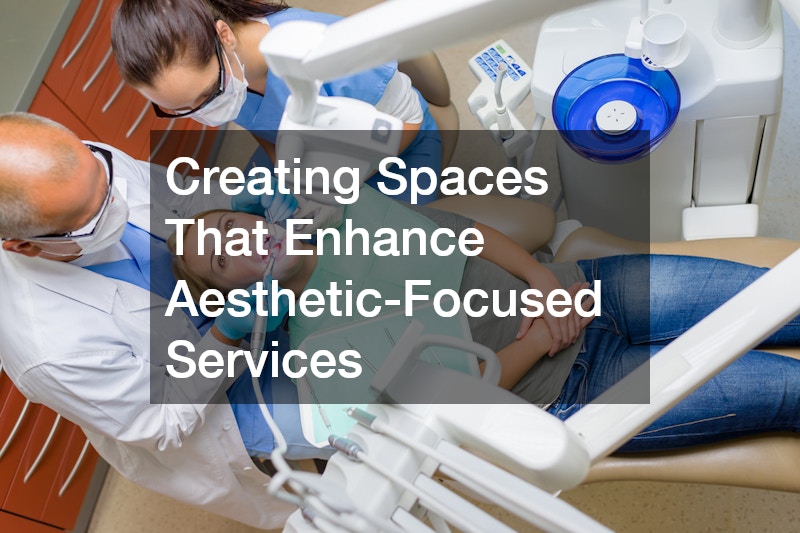

Modern dentistry has evolved far beyond routine cleanings and basic procedures. Today’s dental clinics are expected to support advanced technology, patient comfort, regulatory compliance, and efficient workflows—all while creating a welcoming environment that reflects professionalism and trust. A clinic’s physical space plays a crucial role in how effectively these goals are met.
A dental clinic renovation is not simply about aesthetics. It is a strategic investment that influences patient experience, staff productivity, treatment outcomes, and long-term growth. Poor layouts, outdated infrastructure, and inefficient use of space can slow daily operations, increase stress, and negatively affect patient perception. On the other hand, thoughtful renovation decisions can improve efficiency, reduce fatigue, and support a broader range of services.
As patient expectations rise and dental technology continues to advance, clinic spaces must be flexible, functional, and future-ready. Design decisions made today can either enable or restrict growth tomorrow. Clinics that plan renovations strategically are better positioned to adapt to new treatments, updated regulations, and changing patient demographics.
This guide explores how renovation choices can support modern dentistry by aligning design, infrastructure, and workflow with real-world clinical needs. Each section focuses on practical considerations to help clinic owners, managers, and decision-makers make informed renovation choices that deliver measurable, long-term value.
Planning a Renovation With Long-Term Clinical Growth in Mind
A successful dental clinic renovation begins with a clear understanding of both present needs and future goals. Without careful planning, renovations can quickly become expensive, disruptive, and limiting rather than empowering.
Evaluating Existing Space Challenges
Before any design plans are drawn, it’s essential to conduct a thorough evaluation of the current facility. Common issues include:
-
Inefficient patient flow that causes congestion
-
Operatories that are too small for modern equipment
-
Insufficient storage for supplies and instruments
-
Aging electrical or plumbing systems
Staff input is invaluable during this phase. Front desk teams, assistants, hygienists, and providers often have firsthand insight into daily inefficiencies.
Setting Realistic, Strategic Goals
Clear goals guide better decisions. Clinics should consider:
-
Whether they plan to expand services in the next five to ten years
-
How many operatories will be needed long term
-
What technologies may require additional space or power
-
How patient volume is expected to change
Defining priorities early helps avoid compromises later.
Budgeting Without Sacrificing Quality
While budget constraints are real, cutting corners during renovation often leads to higher costs later. Smart budgeting focuses on:
-
Durable materials with long lifespans
-
Infrastructure upgrades that support future expansion
-
Energy-efficient systems that reduce operating costs
Investing wisely upfront can prevent repeated renovations.
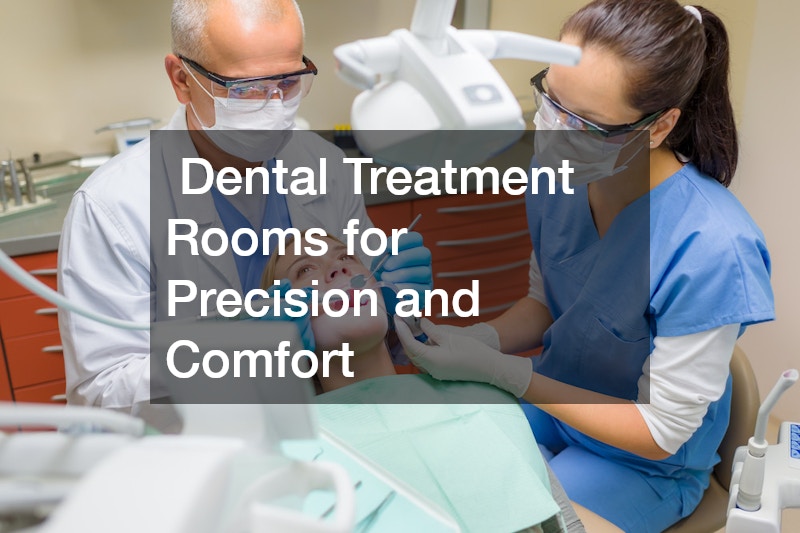
Dental Treatment Rooms for Precision and Comfort
The operatory is the heart of any dental clinic. Its design has a direct impact on procedural accuracy, efficiency, and the physical well-being of the dentist and support staff.
Layout That Supports Workflow
An optimized operatory layout reduces wasted motion and supports smoother procedures. Key considerations include:
-
Placement of delivery units within easy reach
-
Clear paths for assistants to move without obstruction
-
Monitor positioning that avoids neck strain
-
Logical zoning for clean and used instruments
Small layout improvements can significantly enhance productivity.
Ergonomics for Long-Term Health
Poor ergonomics contribute to fatigue and musculoskeletal issues. Renovation planning should address:
-
Adjustable operator stools and chairs
-
Counter heights tailored to staff needs
-
Equipment mounts that reduce bending and twisting
Comfortable providers perform better and experience fewer injuries.
Patient-Centered Design
Patients often judge the quality of care based on their surroundings. Operatory design can improve patient comfort through:
-
Soft, indirect lighting
-
Calming color palettes
-
Noise reduction strategies
-
Temperature control
A relaxed patient is more cooperative and satisfied.
Supporting Advanced Orthodontic Services Through Smart Design
Orthodontic services rely heavily on digital tools, patient education, and follow-up care. Clinics offering clear aligners in roanoke va benefit from designs that support these workflows seamlessly.
Dedicated Consultation Spaces
Orthodontic consultations often involve detailed discussions. Renovated spaces should include:
-
Private rooms for confidential conversations
-
Large displays for digital treatment plans
-
Comfortable seating for longer consultations
Privacy enhances trust and communication.
Technology Integration
Digital orthodontics requires infrastructure support:
-
Adequate electrical outlets and data ports
-
Secure network connections
-
Space for scanners and imaging devices
Planning ahead prevents clutter and workflow disruption.
Organized Storage and Workflow
Efficient orthodontic care depends on:
-
Clearly labeled storage areas
-
Easy access to aligner materials
-
Streamlined patient movement between spaces
Good organization reduces errors and appointment delays.
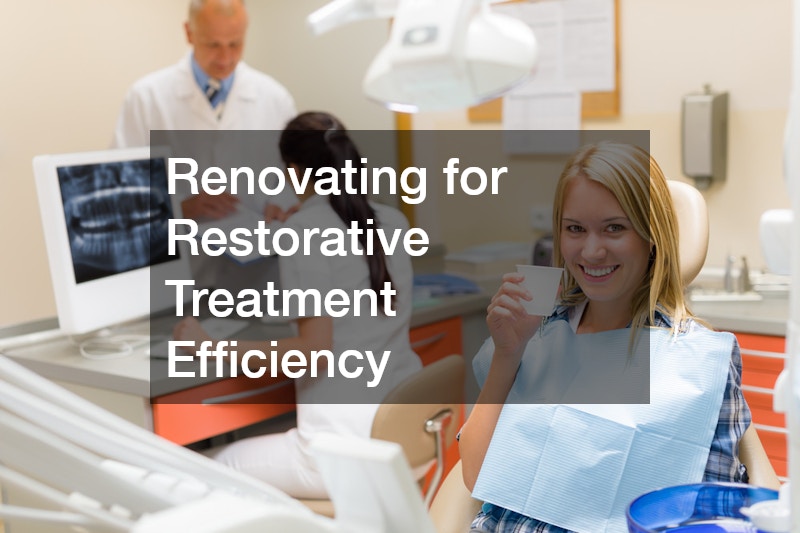
Renovating for Restorative Treatment Efficiency
Restorative procedures often involve multiple steps and longer chair time. Clinics providing dental bridges in justin tx benefit from renovations that support efficiency and comfort.
Strategic Room Placement
Operatories used for restorative care should be located near:
-
Sterilization areas
-
Supply storage
-
Imaging rooms
Reducing travel time improves efficiency and focus.
Enhancing Patient Comfort
Comfort during longer appointments is critical. Renovation features may include:
-
Ergonomic chairs
-
Adjustable headrests
-
Controlled lighting
Comfort reduces patient movement and improves outcomes.
Supporting Provider Focus
Designing for provider efficiency includes:
-
Logical tool placement
-
Minimal visual clutter
-
Anti-fatigue flooring
These elements help maintain precision throughout procedures.
Infrastructure Upgrades That Support Surgical Precision
Surgical procedures require controlled environments. Clinics offering dental implants must ensure their infrastructure supports precision, safety, and consistency.
Lighting and Visibility
Proper lighting is non-negotiable. Renovation planning should include:
-
Adjustable surgical lights
-
Shadow-free illumination
-
Backup power systems
Clear visibility supports accurate placement and reduces errors.
Air Quality and Infection Control
Enhanced ventilation systems help maintain sterile environments:
-
HEPA filtration
-
Easy-to-clean surfaces
-
Zoned airflow
These upgrades protect both patients and staff.
Structural and Utility Considerations
Surgical suites require:
-
Stable flooring
-
Reliable electrical capacity
-
Emergency backup systems
Strong infrastructure ensures uninterrupted care.
Creating Spaces That Enhance Aesthetic-Focused Services
Aesthetic treatments depend heavily on patient confidence and perception. Clinics working with a cosmetic dentist benefit from thoughtfully designed spaces.
Consultation Rooms That Inspire Trust
Patients need space to discuss goals openly. Effective consultation areas include:
-
Warm lighting
-
Comfortable seating
-
Mirrors and digital visuals
These elements encourage engagement.
Lighting for Visual Accuracy
Color accuracy is essential. Renovations should include:
-
Balanced lighting temperatures
-
Adjustable brightness
-
Minimal glare
Lighting affects aesthetic outcomes directly.
Cohesive Branding
Design elements can reinforce brand identity through:
-
Color schemes
-
Signage
-
Artwork
Consistency enhances professionalism.
Renovating Operatories for Complex Endodontic Procedures
Endodontic care requires precision, focus, and patient comfort. Clinics offering root canal in kansas city mo benefit from targeted design improvements.
Noise Reduction Strategies
Noise increases patient anxiety. Renovation options include:
-
Acoustic panels
-
Solid-core doors
-
Quiet HVAC systems
A quieter environment improves patient experience.
Equipment Accessibility
Specialized tools should be:
-
Organized logically
-
Easily accessible
-
Securely stored
Efficiency reduces procedure time.
Provider Comfort and Focus
Design features that support focus include:
-
Clear sightlines
-
Minimal distractions
-
Ergonomic positioning
Focus supports better outcomes.
Improving Accessibility and Comfort for Prosthetic Care
Patients receiving dentures often require frequent visits, including multiple fittings, adjustments, and follow-up appointments. Renovation should prioritize accessibility, comfort, and dignity to ensure these patients feel valued and supported throughout their care journey. A thoughtful environment can significantly reduce anxiety and improve overall satisfaction.
ADA-Compliant Design
Accessibility is a key consideration for denture patients, many of whom are older adults or have mobility limitations. ADA-compliant design features include:
-
Wide doorways and hallways that accommodate walkers, wheelchairs, or other mobility aids
-
Barrier-free restrooms with appropriate grab bars and fixtures at accessible heights
-
Adjustable seating in both treatment and waiting areas to accommodate different needs
Compliance with accessibility standards not only promotes inclusivity but also ensures that all patients can navigate the clinic safely and independently. Properly designed spaces minimize physical strain for patients and reduce the risk of accidents.
Comfort-Focused Waiting Areas
Waiting areas should be welcoming and calming. Design elements that enhance comfort include:
-
Supportive, ergonomically designed seating for longer waits
-
Clear, visible signage to help patients navigate the clinic with ease
-
Non-slip flooring and smooth transitions between spaces for safety
-
Access to natural light or soothing interior lighting to create a relaxing environment
Comfortable, stress-free waiting areas can reduce anxiety, particularly for patients undergoing multiple appointments or extensive procedures.
Maintaining Patient Dignity
Dignity is central to patient-centered care. Thoughtful design helps maintain privacy and respect through:
-
Private treatment spaces that shield patients from observation
-
Soundproofed rooms to ensure confidential conversations
-
Considerate room layouts that allow patients to enter and exit discreetly
By combining accessibility, comfort, and dignity, dental clinics can create a supportive environment that improves patient experience, encourages adherence to treatment plans, and fosters trust between patients and providers.
Supporting Airway and Sleep-Focused Treatments Through Layout
Sleep-related services require discretion. Clinics offering sleep apnea treatment in windsor co benefit from private, calming layouts that help patients feel comfortable discussing sensitive health concerns. Because sleep issues are often personal and closely tied to overall well-being, the physical environment plays a meaningful role in encouraging trust and honest communication.
Private Consultation Rooms
Dedicated consultation spaces are essential for sleep-related discussions. Design considerations include:
-
Sound insulation to prevent conversations from being overheard
-
Comfortable seating that promotes relaxed, unhurried dialogue
-
Soft lighting that reduces anxiety and creates a calming atmosphere
These elements help patients feel safe sharing symptoms, concerns, and lifestyle factors that may affect their sleep. A quiet, welcoming space supports open discussion and allows providers to gather accurate information without interruptions or distractions.
Diagnostic Equipment Planning
Sleep-focused services often require specialized tools and testing equipment, which must be carefully integrated into the clinic layout. Renovation should account for:
-
Adequate space for testing and monitoring equipment
-
Secure storage to protect devices when not in use
-
Efficient patient flow to avoid overlap with other clinical services
Thoughtful planning ensures that diagnostic procedures can be performed smoothly without disrupting surrounding areas. Clear pathways and designated rooms help staff move efficiently while maintaining patient comfort and privacy. Good planning also reduces wait times and prevents congestion during busy hours.
Integration With Existing Services
Sleep-focused care should blend seamlessly with general practice operations rather than feeling isolated or disruptive. Coordinated scheduling, shared support spaces, and consistent design elements help maintain a cohesive clinic experience. When sleep-related services are integrated thoughtfully, patients receive comprehensive care without confusion, and staff can collaborate more effectively across departments.
By prioritizing discretion, comfort, and smart layout choices, clinics can create an environment that supports sensitive services while maintaining efficiency and professionalism throughout the practice.
Renovating With Administrative and Insurance Needs in Mind
Administrative efficiency is critical. Clinics handling medicare insurance claims benefit from functional front-office design that supports accuracy, privacy, and smooth daily operations. Because administrative teams manage sensitive information, frequent patient interactions, and complex documentation, the layout and organization of these spaces directly affect performance and compliance.
Front Desk Design
The front desk is often the first and last point of contact for patients, making its design especially important. Effective layouts include:
-
Clear patient flow that prevents congestion during busy hours
-
Privacy screens or partitions to protect conversations and personal details
-
Organized workstations that keep essential tools within easy reach
A well-designed front desk allows staff to focus on patients rather than navigating cluttered or inefficient spaces. When check-in and check-out processes move smoothly, patients feel respected and supported, which improves overall satisfaction and trust.
Secure Documentation
Handling insurance information requires strict attention to confidentiality and accuracy. Renovation should include:
-
Locked storage for physical records and sensitive materials
-
Secure digital access points for electronic systems
-
Controlled staff access to limit exposure to protected information
Proper storage and access controls reduce the risk of data breaches, misplaced documents, and compliance issues. Clear separation between public-facing and administrative areas further strengthens security and minimizes distractions.
Staff Productivity
Well-designed administrative offices do more than protect information—they support the people who work there every day. Thoughtful layouts reduce stress by minimizing unnecessary movement, improving visibility, and creating defined work zones. Adequate lighting, comfortable seating, and noise control all contribute to a healthier work environment.
When staff can work efficiently and comfortably, errors decrease, communication improves, and burnout is less likely. Over time, these benefits lead to better consistency, stronger morale, and smoother clinic operations overall.
Renovating a dental clinic is a strategic decision that affects every aspect of care delivery. When renovation planning aligns with clinical workflows, patient expectations, and future growth, the result is a space that supports both efficiency and excellence.
Thoughtful design enhances provider focus, patient comfort, and operational reliability. Clinics that invest in purposeful renovation are better equipped to adapt to evolving technology, expanding services, and changing regulations.
By approaching renovation as a long-term investment rather than a short-term fix, dental practices can create environments that foster trust, improve outcomes, and support sustainable growth for years to come.