An oral cancer screening is a quick, non-invasive exam performed by a dental professional to detect early signs of cancer or precancerous conditions in the mouth. During the screening, your dentist carefully examines the lips, tongue, cheeks, gums, floor and roof of the mouth, and throat for any abnormalities. The goal is to identify suspicious lesions, red or white patches, lumps, or other unusual tissue changes before they develop into something more serious.
Oral cancer can affect anyone, but early detection significantly increases the chances of successful treatment. Because symptoms are not always painful or obvious in the early stages, many people are unaware that something is wrong.
That is why routine dental visits play such an important role in prevention and early diagnosis.
Why Early Detection Matters
Oral cancer often develops quietly. In its early stages, it may appear as a small sore, patch, or thickened area that does not cause discomfort. Without screening, these subtle warning signs can go unnoticed.
When detected early, oral cancer has a much higher survival rate and often requires less invasive treatment. Early-stage cancers are typically smaller and have not spread to other parts of the body, making them easier to remove or treat effectively. Delayed diagnosis, on the other hand, can lead to more complex procedures, extended recovery times, and more serious health complications.
Routine screenings allow dental professionals to monitor any changes over time and act quickly if something unusual appears.
Benefits of an Oral Cancer Screening
Early Identification of Abnormal Tissue
One of the most significant benefits of an oral cancer screening is the ability to catch abnormal tissue changes before they become cancerous or spread. Dentists are trained to recognize subtle differences in color, texture, and symmetry that patients may overlook.
If a suspicious area is found, your dentist may recommend monitoring it, performing additional tests, or referring you to a specialist for further evaluation. Acting early can make a life-saving difference.
Peace of Mind
Many people worry about unexplained sores or discomfort in their mouth. A screening provides reassurance when everything appears healthy. If something unusual is present, you gain clarity and a clear next step rather than uncertainty.
Knowing that your oral health is being regularly evaluated reduces anxiety and encourages proactive care.
Quick and Painless Process
An oral cancer screening is simple and typically takes only a few minutes during a routine dental checkup. There is no special preparation required, and the exam is completely painless.
Your dentist will visually inspect your mouth and gently feel areas of the jaw and neck to check for lumps or irregularities. Because the process is so quick and comfortable, there is little reason to delay scheduling one.
Monitoring of High-Risk Patients
Certain individuals face a higher risk of developing oral cancer. These risk factors include tobacco use, heavy alcohol consumption, prolonged sun exposure to the lips, human papillomavirus infection, and a family history of cancer.
For patients with these risk factors, regular screenings are especially important. Early and consistent monitoring allows dental professionals to detect changes at the earliest possible stage.
Supports Overall Health
Oral health is closely connected to overall health. An oral cancer screening not only checks for cancer but also gives your dentist the opportunity to identify other concerns such as infections, gum disease, or precancerous conditions.
By maintaining regular dental visits and screenings, you contribute to your long-term wellness and reduce the risk of more serious complications down the road.
Signs That Should Not Be Ignored
While routine screenings are essential, it is equally important to recognize potential warning signs between appointments. You should contact your dentist if you notice:
-
A sore in the mouth that does not heal within two weeks
-
Red or white patches on the gums, tongue, or lining of the mouth
-
A lump or thickened area in the cheek
-
Persistent sore throat or hoarseness
-
Difficulty chewing, swallowing, or moving the jaw
-
Numbness in the tongue or other areas of the mouth
These symptoms do not automatically mean cancer is present, but they do warrant professional evaluation. Early attention to unusual changes can prevent more serious outcomes.
When Should You Get an Oral Cancer Screening?
During Routine Dental Visits
Most dentists include an oral cancer screening as part of a comprehensive dental exam. For many adults, visiting the dentist every six months provides consistent monitoring and early detection.
If you are unsure whether your dental appointments include this exam, simply ask. Many practices perform screenings regularly, even if patients are unaware that it is part of the visit.
If You Have Risk Factors
Individuals who smoke, use chewing tobacco, consume alcohol heavily, or have been diagnosed with HPV should consider discussing more frequent screenings with their dentist. Your provider can recommend an appropriate schedule based on your health history and lifestyle.
Early detection is particularly important for high-risk individuals, as oral cancer may develop more aggressively in these cases.
If You Notice Symptoms
Do not wait for your next scheduled appointment if you observe concerning symptoms. Any sore, lump, or discoloration that lasts longer than two weeks should be evaluated promptly.
Timely action ensures that potential problems are addressed before they advance.
As You Age
The risk of oral cancer increases with age, particularly after forty. However, younger adults are not immune. Regardless of age, regular dental checkups that include screening remain an important preventive measure.
Discuss your individual risk profile with your dentist to determine how often you should be screened.
What to Expect During the Appointment
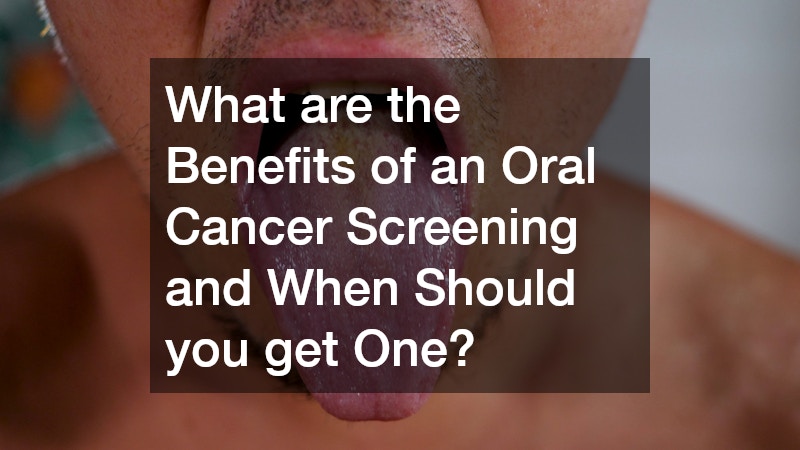
Understanding what happens during an oral cancer screening can ease any hesitation. The dentist begins with a visual exam of your lips, gums, cheeks, tongue, and throat. They look for unusual discoloration, sores, or asymmetrical tissue.
Next, they gently palpate the jaw, neck, and lymph nodes to check for swelling or lumps. In some cases, additional tools or special lights may be used to highlight abnormal cells. If an area appears suspicious, further diagnostic steps such as a biopsy may be recommended.
The entire process is quick, comfortable, and requires no recovery time.
Taking a Proactive Approach to Oral Health
An oral cancer screening is one of the simplest yet most powerful preventive measures you can take. It requires minimal time, causes no discomfort, and provides valuable insight into your oral health.
Regular screenings, awareness of symptoms, and open communication with your dental provider create a strong foundation for early detection. By prioritizing these exams, you protect not only your smile but also your overall well-being.