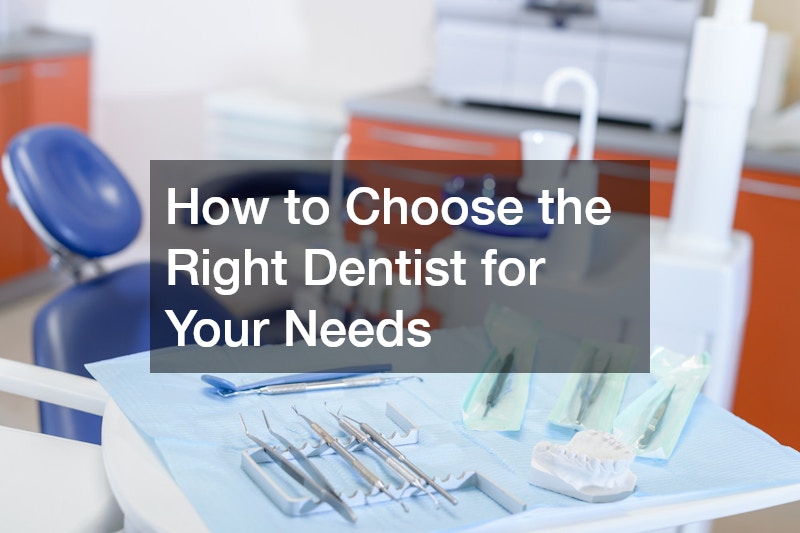
For many people, the mere thought of sitting back in a clinical chair under a bright light induces a deep-seated sense of anxiety. If you feel a knot in your stomach when it is time to schedule a checkup, you are far from alone. The overwhelming nature of scrolling through endless online reviews, trying to decipher medical jargon, and hoping to find a practitioner who is gentle, highly competent, and financially honest can paralyze even the most proactive patients. It is completely valid to feel intimidated by this process, especially when past experiences may have left you feeling rushed, unheard, or burdened with unexpected bills.
However, the reality is that choosing the right oral healthcare provider is not merely about finding someone to polish your enamel once a year; it is one of the most significant, long-term medical decisions you will make. Modern medical science has unequivocally proven that the health of your mouth is deeply and intrinsically connected to your overall systemic health. Chronic inflammation in the gums has been directly linked to severe cardiovascular disease, respiratory complications, and even digestive disorders. Your mouth is the gateway to your entire body, and protecting it requires a trusted medical partner who views your care holistically.
This comprehensive guide is designed to serve as your complete blueprint for navigating this critical choice. We will break down exactly how to evaluate clinic environments, understand the importance of advanced diagnostic treatments, and ask the right questions during an initial consultation. By following these highly actionable, step-by-step strategies, you can strip the anxiety out of the selection process and ensure you find the perfect fit for your specific health needs, your comfort level, and your budget.
Evaluating Clinic Atmosphere and Professional Credentials
The environment in which you receive care and the verified expertise of the person delivering it are the absolute foundations of a positive medical experience. You must approach your first interaction with a new clinic with a critical eye, treating it more like a rigorous facility tour than a simple medical visit.
Scrutinize the Waiting Room and Clinical Environment
Before you even meet the medical staff, the physical environment of the facility will tell you a profound story about how the practice is run. Advise yourself to arrive early to your first consultation specifically to observe the flow of the clinic.
-
First Impressions Matter: Pay close attention to the reception area. Is it clean, organized, and welcoming? The administrative staff operates the heartbeat of the entire dental office, and their demeanor is a direct reflection of the practice’s overall culture. If the front desk staff is chaotic, dismissive, or overwhelmed, that disorganization will inevitably bleed into your clinical care and billing processes.
-
Observe Sterilization Protocols: As you are walked back to the treatment rooms, look closely at the environment. Are the countertops completely free of clutter? Are the instruments sealed in sterile pouches before being opened in front of you? Do the practitioners and assistants consistently change their gloves and wash their hands when moving between computer keyboards and patient care? Strict, visible adherence to sanitation protocols is a non-negotiable requirement for your safety.
-
Assess the Overall Atmosphere: A high-quality clinic will deliberately cultivate a calming environment. Listen to the sounds and observe the lighting. Many modern practices utilize noise-canceling headphones, soothing background music, and comfortable seating to actively mitigate patient anxiety. If a clinic feels frantic, loud, and disorganized, it is likely not the right environment for someone who already experiences medical apprehension.
Verify State Licenses and Board Certifications
You should never assume that a pristine waiting room equates to top-tier medical competence. It is your absolute right, and responsibility, to independently verify the credentials of the professionals who will be treating you.
-
Utilize State Registries: Every state maintains a public, easily searchable online registry of licensed medical professionals. Provide yourself with the simple step-by-step method of looking up practitioners in your state to ensure their license is active and in good standing. More importantly, these databases will reveal if there are any recorded malpractice judgments, ethical violations, or disciplinary actions on their record.
-
Evaluate Continuing Education: The field of oral healthcare evolves rapidly. Techniques and materials used a decade ago are often obsolete today. The most dedicated dentists do not view their graduation from medical school as the end of their learning; they continually invest massive amounts of time and capital into postgraduate education. During your consultation, ask them about the most recent continuing education courses they have attended. You want a provider who is passionate about staying at the absolute forefront of modern clinical techniques.
-
Check Professional Memberships: Look for active memberships in recognized national and state professional organizations. While membership alone does not guarantee perfection, it demonstrates a commitment to a broader professional community and adherence to a strict, standardized code of ethics.
Assess the Technology and Diagnostic Tools Used
The quality of your diagnosis is directly limited by the quality of the technology used to examine you. A practice relying on outdated equipment is simply incapable of providing the highest standard of early detection.
-
Demand Digital Imaging: Instruct yourself to specifically ask if the clinic utilizes digital X-rays rather than traditional film. Digital imaging is a massive leap forward in patient safety, as it exposes you to significantly less radiation—often up to eighty percent less. Furthermore, digital images can be instantly enlarged, enhanced, and shared on a monitor, allowing the doctor to detect microscopic decay long before it becomes a massive structural problem.
-
The Value of Intraoral Cameras: One of the most empowering tools in modern medicine is the intraoral camera. This is a small, pen-sized wand equipped with a high-definition camera that projects a live video feed of your mouth onto a screen right in front of you. This allows you to see exactly what the doctor sees in real-time. If they recommend a crown because of a fractured cusp, they can show you the exact fracture on the screen. This level of transparency builds immense trust and ensures you are a fully informed participant in your own care, rather than just taking their word for it.
-
Advanced Screening Devices: Ask if the practice uses advanced laser diagnostic tools for detecting hidden cavities or specialized light technologies specifically designed to highlight early-stage oral cancer lesions that are completely invisible to the naked eye.
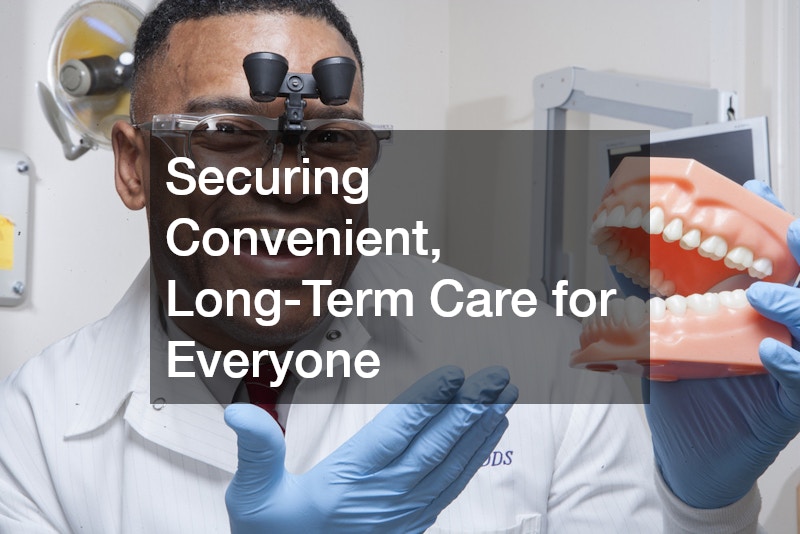
Securing Convenient, Long-Term Care for Everyone
Even the most highly skilled practitioner is ultimately useless to you if their logistical framework makes it impossible for you to actually receive care. Establishing a medical home requires finding a practice that seamlessly integrates into the realities of your daily life.
Match Clinic Hours with Your Daily Schedule
One of the primary reasons people delay routine preventative care is the sheer logistical nightmare of trying to take time off work or pull children out of school for appointments.
-
Audit Your Availability: Before committing to a practice, honestly audit your own schedule. If you work a strict nine-to-five job, a clinic that only operates during those exact same hours will force you to burn valuable vacation time just to get your teeth cleaned.
-
Seek Flexible Scheduling: Advise yourself to heavily prioritize clinics that offer extended hours. Look for practices that open early in the morning (allowing you to visit before your workday begins), stay open late into the evening, or offer dedicated weekend hours. When booking a routine dentist appointment is easy and convenient, you are vastly more likely to maintain a consistent schedule of preventative care, catching small issues before they require painful and expensive interventions.
-
Evaluate Wait Times: When you call to inquire about becoming a new patient, ask how far out they are currently booking routine cleanings. If a practice is so overbooked that you have to wait six months just to get in the door, they will likely not have the scheduling flexibility to accommodate you if you need to reschedule due to an unforeseen conflict.
Consolidate Providers for Multi-Generational Households
If you are managing the healthcare needs of an entire household—from toddlers cutting their first teeth to aging parents dealing with complex structural degradation—driving to three different specialized clinics across town is a recipe for burnout.
-
The Efficiency of Comprehensive Care: Explain to yourself the immense, time-saving benefits of finding a single practitioner who possesses the training, patience, and equipment to treat a wide spectrum of ages.
-
Centralized Health Records: Establishing a long-term relationship with a highly capable local family dentist ensures that all of your household’s medical histories, insurance information, and X-rays are kept in one centralized, highly secure location. This continuity of care allows the practitioner to intimately understand your genetic predispositions and track the progression of your health over decades, leading to far more accurate and personalized diagnoses.
-
Building Generational Trust: For young children, visiting the exact same doctor that their parents trust can significantly reduce pediatric anxiety. Growing up in a familiar clinical environment fosters a lifelong positive attitude toward preventative healthcare.
Review Emergency Protocols and After-Hours Access
Medical emergencies rarely happen conveniently during normal business hours. You must know exactly what safety nets are in place before a crisis strikes.
-
Ask the Crucial Questions: Give yourself a strict checklist of questions regarding their emergency protocols. You need to ask the front desk explicitly: What happens if I wake up at two in the morning on a Sunday with excruciating, unbearable pain? What is the protocol if my child falls and knocks out a permanent tooth during a holiday weekend?
-
Identify the On-Call System: A reliable, patient-centric practice will always have a robust after-hours system in place. They should have a dedicated on-call phone line that routes directly to the doctor or a trusted covering colleague, ensuring you can receive immediate medical guidance over the phone.
-
Understand Urgent Care Partnerships: If the doctor does not handle late-night trauma themselves, they should have a formal, established partnership with a local urgent care facility or an oral surgeon who can immediately intake their patients. If the clinic’s only emergency protocol is a voicemail telling you to go to the local hospital emergency room, they are not providing the comprehensive safety net you deserve.
Managing Complex Oral Health Conditions
A thorough, high-quality practitioner does much more than just polish away surface stains. They serve as a vital line of defense against severe, complex medical conditions that can threaten your overall well-being.
Inquire About Preventative and Diagnostic Capabilities
When you sit down for your initial consultation, you must guide the conversation to understand the full breadth of their diagnostic philosophy. You want a provider who actively hunts for early warning signs rather than passively waiting for you to complain of pain.
-
Beyond Basic Cleanings: Explain to yourself that a comprehensive provider should offer a massive umbrella of essential preventative dental services. This must include rigorous, tactile oral cancer screenings during every single routine visit, where the doctor manually checks your neck, jaw, and the soft tissues of your mouth for any abnormal lumps or discolorations.
-
Analyze Structural Alignment: Ask if the doctor routinely performs bite alignment analyses and checks for temporomandibular joint (TMJ) disorders. Many patients suffer from chronic migraines, unexplained neck pain, and severely worn enamel without realizing that the root cause is a misaligned bite or nighttime teeth grinding. A sharp practitioner will identify the wear patterns on your enamel and prescribe custom-fitted night guards to protect your structure while you sleep.
-
Evaluate Fluoride and Sealant Protocols: Inquire about their approach to preventative chemical treatments. Do they offer concentrated fluoride varnishes or protective resin sealants for deep grooves in molars to actively prevent decay before it can take root?
Ask About Protocols for Treating Gum Disease
Gingivitis and advanced gum disease are insidious, silent conditions. They often present with very little pain in the early stages, meaning patients can suffer from severe, irreversible bone loss before they even realize there is a problem.
-
Identify the Warning Signs: If you ever experience bleeding when you brush, chronic bad breath, or notice your gums receding away from the base of your teeth, you are likely dealing with some level of active bacterial infection in the soft tissue.
-
Demand Advanced Soft Tissue Care: You must verify that the clinic has highly trained hygienists who utilize specialized, deep-cleaning techniques to combat this infection. Ask explicitly if they are equipped to perform scaling and root planing, formally known as periodontal therapy, which involves meticulously cleaning out the bacterial pockets far below the visible gum line and smoothing the roots to encourage the tissue to reattach to the bone.
-
Ongoing Maintenance: If you have a history of soft tissue disease, ask about their protocols for ongoing maintenance. Standard six-month cleanings are rarely sufficient for patients recovering from severe inflammation; you need a clinic that is proactive about scheduling three- or four-month rotational visits to keep the bacterial load permanently suppressed.
Evaluate Their Network of Specialized Referrals
One of the strongest indicators of a trustworthy medical professional is their absolute willingness to admit when a specific case exceeds their level of expertise. No single doctor, regardless of their skill, can do everything perfectly.
-
Beware the Generalist Who Does It All: Be highly skeptical of a practitioner who claims they never need to refer patients out. Complex, highly specialized procedures require dedicated experts who perform those exact surgeries all day, every day.
-
Ask About Their Network: Instruct yourself to ask the provider exactly who they refer out to for highly complex, atypical situations. Who do they trust for complicated, impacted wisdom teeth extractions? Who handles their severe endodontic emergencies, like a failing root canal with a massive localized abscess?
-
Seamless Collaboration: A top-tier provider will have a tightly vetted network of oral surgeons, endodontists, and prosthodontists. Furthermore, they will actively collaborate with these specialists, sharing your digital X-rays and medical history seamlessly so you never feel abandoned during a complex, multi-phase treatment plan.
Enhancing Your Smile with Advanced Techniques
While foundational health is always the primary goal, the aesthetic appearance of your smile plays a massive role in your self-confidence, your professional life, and your overall mental well-being. If you are looking to upgrade your aesthetics, you must evaluate a completely different set of artistic skills.
Review Before-and-After Portfolios for Visual Proof
Transforming a smile is not just a medical procedure; it requires an intense, meticulous artistic eye. A doctor might be perfectly capable of extracting a tooth safely but lack the spatial awareness and color-matching skills required to design a set of natural-looking veneers.
-
Demand Visual Evidence: Advise yourself to request physical or digital galleries of past smile makeovers during your consultation. You need to verify the exact skill level of the cosmetic dentist before committing to any expensive, irreversible structural changes.
-
Look for Natural Asymmetry: When reviewing their portfolio, look closely at the results. Do the teeth look like a row of perfectly straight, blindingly white, opaque blocks? That is the hallmark of poor artistic design. A truly skilled practitioner understands that a natural, beautiful smile has slight variations in translucency at the edges, subtle ridges, and a shade that perfectly complements the patient’s specific skin tone and facial structure.
-
Verify Their Own Work: Always ask explicitly if the photos in the portfolio are actual cases completed by the specific doctor you are speaking with, rather than stock photos purchased from a marketing agency or provided by a manufacturer.
Discuss Discreet Options for Straightening Teeth
For decades, the only way to fix crooked teeth or close wide gaps was to endure years of painful, highly visible metal brackets and wires. Today, adult patients have vastly superior, discreet options, but you must ensure the clinic is properly certified to administer them.
-
The Shift Away from Metal: If you are an adult professional looking to correct your bite alignment without broadcasting your treatment to the world, instruct yourself to ask the clinic about their modern orthodontic alternatives.
-
Verify Certification: Ask specifically if the doctor is a certified, high-volume provider of modern, invisible clear aligners. Not every practice is trained or authorized to use these advanced, 3D-printed systems.
-
Understand the Timeline and Commitment: If they do offer this service, ask them to outline the realistic timeline for your specific case. Furthermore, ensure they clearly explain the strict compliance required. These discreet systems only work if you wear them for twenty-two hours a day, and a good provider will be completely honest with you about the discipline required to achieve the desired result.
Analyze the Materials Used for Custom Restorations
When a tooth is severely decayed or broken, a standard filling is no longer sufficient. You will require custom restorations, like crowns or bridges, manufactured in a dental laboratory. The materials used for these restorations dictate how long they will last and how natural they will look.
-
Avoid Outdated Metals: Provide yourself with actionable tips on asking about the materials used for heavy restorations. You want to avoid practices that still heavily rely on outdated amalgam (silver) or visible metal margins, which can leave a dark, unnatural line at the base of the tooth.
-
Understand Material Differences: Educate yourself on the modern alternatives. Ask the doctor to explain the differences in strength, longevity, and appearance between highly aesthetic porcelain (ideal for front teeth where appearance is paramount), durable composite resins, and ultra-strong zirconia (perfect for heavy-chewing back molars).
-
Inquire About the Laboratory: A brilliant doctor is severely hindered if they use a cheap, low-quality manufacturing laboratory. Ask where their custom crowns are milled. Do they use a high-end, domestic laboratory with master ceramists, or do they ship the impressions overseas to cut costs? The quality of the lab directly impacts the final fit and finish of your restoration.
Budgeting for Major Restorations and Routine Visits
The single biggest source of friction, anxiety, and ultimate dissatisfaction in healthcare is a lack of financial transparency. You deserve to know exactly what your care will cost, how it will be billed, and what your options are before anyone picks up a drill.
Request Transparent, Itemized Treatment Plans
Medical billing should never be a mystery or a surprise at the front desk after the work is already done. You must demand absolute clarity regarding the scope of work and the associated costs.
-
Never Accept Verbal Estimates: Warn yourself fiercely against accepting verbal, off-the-cuff estimates for major work. Instruct yourself to demand a formal, printed, and itemized treatment plan before moving forward with any heavy structural procedures.
-
Break Down Complex Procedures: If you are missing a tooth and considering the surgical placement of a permanent dental implant, you must understand that this is a complex, multi-stage process. The itemized bill should clearly separate the cost of the 3D surgical scan, the titanium post, the abutment, the final attached crown, and any necessary bone grafting. If a clinic just gives you a single, vague lump-sum number, consider it a massive red flag regarding their billing transparency.
-
Review Codes and Phasing: The treatment plan should include the specific medical billing codes for every step and offer a timeline for phasing the treatment out over several months to make it more financially manageable if necessary.
Maximize Your Insurance and Flexible Financing
Navigating the complexities of insurance networks and out-of-pocket maximums is exhausting, but the right administrative team will do the heavy lifting for you, ensuring you do not leave money on the table.
-
Verify Network Status: Share actionable tips with yourself regarding insurance verification. Do not just ask if they “accept” your insurance; ask explicitly if they are strictly in-network with your specific PPO provider. An out-of-network provider can still “accept” your insurance by submitting the claim on your behalf, but you will be hit with significantly higher out-of-pocket percentages.
-
Solutions for the Uninsured: If you do not have traditional corporate insurance, you are not out of options. Suggest to yourself the strategy of actively seeking out practices that offer their own in-house membership discount plans. These plans typically require a flat annual fee that covers all your routine preventative cleanings and X-rays for the year, while offering a steep percentage discount on all other major procedures, ensuring you retain access to high-quality, affordable dental care without dealing with a middleman.
-
Explore Third-Party Financing: Ask the financial coordinator if they partner with reputable third-party medical financing companies that offer zero-percent interest promotional periods, allowing you to break up a large surgical bill into manageable monthly payments.
Differentiate Between Medical Needs and Aesthetic Wants
A trustworthy healthcare provider will always prioritize the structural integrity and health of your mouth over unnecessary aesthetic upcharges. You must learn to advocate for your actual medical needs.
-
Spotting the Sales Pitch: Teach yourself how to spot a high-pressure sales pitch. If you go in for a routine cleaning and the doctor spends five minutes talking about a small cavity but twenty minutes aggressively pressuring you into a massive, full-mouth bleaching package or aesthetic reshaping you never asked for, you are dealing with a salesperson, not a doctor.
-
Prioritize Active Infection: Advise yourself to always seek a provider who strictly prioritizes treating active decay, removing infections, and restoring structural health first. Aesthetic upgrades should always be presented as optional, patient-driven choices, never as high-pressure mandates.
-
Get a Second Opinion: If a new doctor suddenly presents you with a massive treatment plan involving thousands of dollars of work when you have never had issues before, politely decline immediate treatment, ask for a copy of your X-rays, and immediately seek a second opinion from another vetted clinic.
Conclusion
Finding the perfect healthcare partner to manage your long-term oral health is a highly personal journey that requires balancing rigorous medical expertise with your own profound need for personal comfort and financial transparency. You are the ultimate, uncompromising advocate for your own systemic health, and you should never, under any circumstances, settle for a provider who makes you feel rushed, financially exploited, or unheard during your appointments.
Taking control of this process requires proactive momentum. Do not wait for a painful emergency to force your hand. Sit down today and explicitly write out your top three non-negotiable priorities—whether that is extended evening hours, a specific type of specialized treatment, or strict in-network insurance acceptance. Pull out your insurance card, open your calendar, and commit to scheduling brief, introductory consultation tours with three different, highly rated clinics in your area this week. By approaching this decision with confidence and a clear set of criteria, you will secure a trusted medical partner capable of protecting your health and your smile for decades to come.