
A healthy, confident smile is the result of consistent care, informed decisions, and treatments designed around individual needs. While daily brushing and flossing are essential, professional guidance plays a major role in preventing problems, improving appearance, and maintaining long-term oral wellness. From routine evaluations to advanced restorative and aesthetic solutions, professional care helps patients achieve results that are both functional and visually appealing.
Many people focus on improving their smiles only when a concern appears, but proactive care can make a significant difference. Addressing minor issues early, understanding available treatment options, and following personalized recommendations can help protect teeth and gums for years to come.
Modern advancements have enabled the creation of customized approaches for patients of all ages. Whether the goal is improving oral health, restoring damaged teeth, enhancing appearance, or supporting a child’s developing smile, professional care provides the expertise needed for successful outcomes.
Build a Strong Foundation With Consistent Oral Health Habits
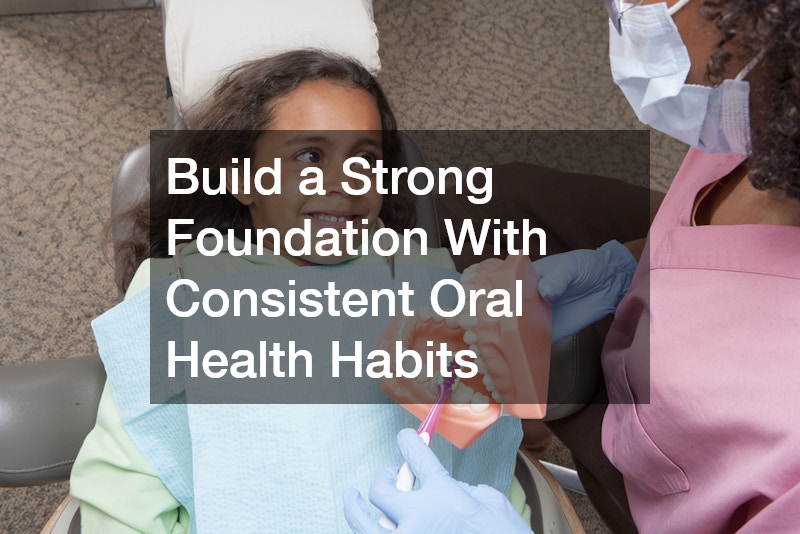
Maintaining a lasting smile begins with preventive care. Regular professional visits allow potential concerns to be identified before they develop into more complex problems. A qualified dentist can evaluate overall oral health, recommend appropriate treatments, and provide guidance based on a patient’s specific needs. These routine evaluations are an important part of protecting teeth, supporting gum health, and preventing avoidable complications.
Routine appointments are about more than addressing discomfort. They are an opportunity to monitor changes, protect existing teeth, and create a plan that supports long-term results. Many dental concerns, such as cavities, enamel damage, and gum issues, can progress quietly without noticeable symptoms. Professional evaluations help catch these concerns early, allowing patients to explore solutions before problems become more difficult or costly to manage.
A comprehensive dental service may include preventive cleanings, examinations, imaging, and personalized recommendations. These services work together to protect oral health and reduce the likelihood of future complications. They also give patients valuable insight into their current condition and help them make informed decisions about maintaining their smiles.
Patients can support professional care by developing consistent habits at home, including:
- Brushing teeth twice each day with fluoride toothpaste.
- Flossing daily to remove buildup between teeth.
- Drinking plenty of water to support saliva production.
- Limiting frequent exposure to sugary foods and beverages.
- Replace toothbrushes or brush heads regularly.
- Following personalized recommendations from a dental provider.
- Using protective products recommended for specific oral health concerns.
Small daily actions can have a significant impact when combined with professional support. Preventive care not only protects teeth but also helps preserve the appearance and function of a smile over time. Building healthy habits early and maintaining regular professional guidance creates a stronger foundation for long-lasting oral wellness.
Choose Restorative Solutions That Support Lasting Function
When teeth become damaged, weakened, or missing, restorative treatments can help rebuild both confidence and functionality. Restoring a smile involves more than improving appearance. The goal is to create solutions that support natural chewing, speech, and long-term oral health. A well-planned restorative approach can also help protect surrounding teeth, maintain proper alignment, and prevent additional oral health concerns from developing.
A dental implant is a commonly used option for replacing missing teeth. This treatment is designed to provide a stable foundation that closely resembles the function of a natural tooth. Because tooth loss can affect surrounding teeth and jaw structure, replacing missing teeth can help maintain overall oral balance. By restoring the space left behind, patients may experience improved comfort, better bite function, and increased confidence when eating and speaking.
Before selecting a restorative option, patients should consider several important factors:
- The condition of existing teeth and gums.
- Jawbone health and available support.
- Long-term maintenance requirements.
- Personal goals for appearance and comfort.
- Overall health considerations.
- Recovery expectations and treatment timelines.
Professional planning is essential because every patient’s situation is different. A thorough evaluation helps determine whether a particular treatment is appropriate and how it can best support long-lasting results. Providers can assess oral health conditions, discuss available options, and create a customized plan that aligns with the patient’s needs and lifestyle.
After restorative treatment, proper care remains important. Patients should continue their regular hygiene routines and attend follow-up appointments to ensure their restorations remain healthy and functional. Maintaining good habits, protecting restored teeth from unnecessary damage, and addressing concerns early can help extend the lifespan of restorative work. With appropriate maintenance, restorative solutions can provide reliable results for many years while helping patients enjoy a healthier, more confident smile.
Understand How Precision Technology Improves Treatment Outcomes
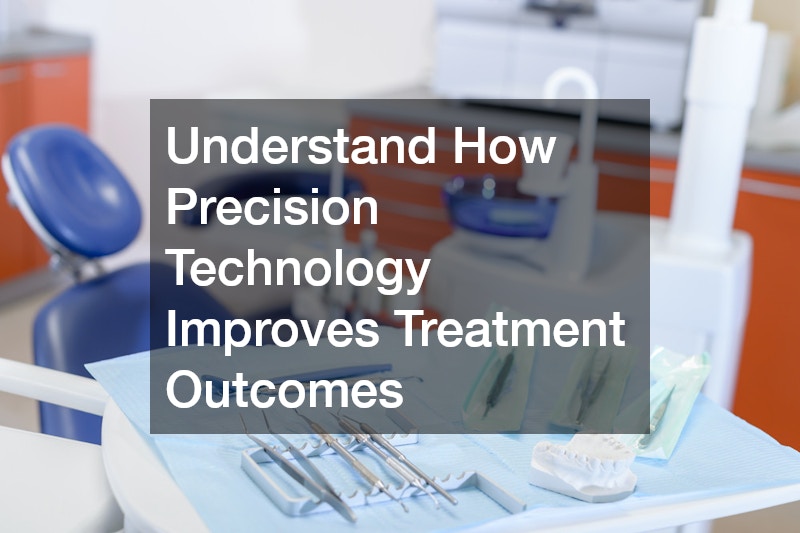
Modern smile improvements rely heavily on advanced technology and careful customization. Behind many successful treatments are detailed planning, accurate measurements, and collaboration among professionals focused on achieving high-quality results. These advancements allow providers to develop treatment plans that are more predictable, comfortable, and tailored to each patient’s unique oral health needs.
A dental lab plays an important role in the development of customized restorations. These specialized facilities use advanced materials and techniques to create products designed to match a patient’s needs. Design and manufacturing accuracy can influence comfort, durability, and the natural appearance of the final result. Skilled laboratory professionals work closely with dental providers to ensure restorations are created with proper shape, size, color, and function in mind.
Technology has improved many aspects of treatment planning, including:
- Digital impressions that increase accuracy.
- Advanced imaging for better evaluation.
- Customized materials designed for strength and appearance.
- Computer-assisted planning for improved precision.
- Digital tools that help evaluate bite alignment and restoration placement.
These innovations allow providers to identify potential challenges earlier and create solutions that support better outcomes. Instead of relying solely on traditional methods, modern technology provides more detailed information, helping improve the overall treatment experience.
A close partnership between providers and laboratory specialists helps ensure restorations meet important standards. The final result should not only look natural but also function comfortably within the patient’s bite. Properly designed restorations should support everyday activities such as eating and speaking while blending seamlessly with existing teeth.
Patients can improve their experience by asking questions about the materials being used, understanding the treatment timeline, and discussing expectations before beginning care. Clear communication allows providers to create solutions that align with each patient’s goals. Taking an active role in the treatment process helps patients feel more confident and informed as they work toward a healthier, longer-lasting smile.
Protect Your Smile With Properly Designed Restorations
Damaged teeth may require additional protection to restore strength and prevent further deterioration. Restorative treatments can help preserve natural teeth while improving appearance and function.
For example, patients searching for options such as dental crowns in San Juan Capistrano may be exploring ways to protect teeth affected by cracks, significant decay, or structural weakness. Crowns are designed to cover and strengthen damaged teeth while restoring a more natural appearance.
The success of restorative work depends on several factors, including proper evaluation, accurate design, and ongoing maintenance. A restoration should fit comfortably, support normal function, and blend naturally with surrounding teeth.
Patients can help protect their restorations by:
- Avoiding habits that place excessive pressure on teeth.
- Wearing protective equipment during activities where needed.
- Maintaining regular brushing and flossing routines.
- Scheduling professional evaluations as recommended.
- Addressing discomfort or changes quickly.
Restorative treatments are an investment in long-term oral health. When combined with proper care, they can help patients maintain a stronger, healthier smile.
Improve Smile Confidence With Customized Cosmetic Planning
A smile can influence how people feel about themselves in personal and professional settings. Cosmetic improvements can address concerns related to tooth appearance while maintaining a focus on oral health.
A cosmetic dentist can help patients explore options based on their individual goals. Rather than using a one-size-fits-all approach, personalized cosmetic planning considers factors such as facial features, tooth proportions, existing oral conditions, and desired outcomes.
A successful cosmetic plan may focus on improving:
- Tooth color and brightness.
- Tooth shape and symmetry.
- Minor imperfections.
- Overall smile balance.
- Confidence during everyday interactions.
Before beginning cosmetic treatment, patients should have realistic expectations and understand the process involved. Professional consultations provide an opportunity to discuss concerns, review available options, and determine which approach best supports the desired outcome.
Cosmetic care works best when combined with strong oral health. Healthy teeth and gums provide the foundation for achieving attractive, sustainable results.
Consider How Facial Aesthetics Complement Your Smile Goals
A person’s smile is part of their overall appearance, and some individuals choose to explore additional aesthetic treatments to complement their dental improvements. Understanding how facial features work together can help create a balanced, natural look.
Cosmetology services often focus on enhancing appearance through specialized techniques and personalized care. When combined with smile-focused treatments, these approaches may help individuals feel more confident about their overall appearance.
Some patients also explore options such as Botox as part of their aesthetic goals. Professional consultation is important because facial treatments require careful evaluation, proper technique, and an understanding of individual preferences.
Before choosing aesthetic treatments, patients should:
- Research provider qualifications and experience.
- Ask questions about expected outcomes.
- Understand the recommended process.
- Follow preparation and aftercare instructions.
- Maintain realistic expectations.
The goal of professional aesthetic care is to enhance natural features while helping patients feel comfortable and confident. A thoughtful approach ensures treatments are selected based on personal needs rather than trends alone.
Explore Additional Appearance Enhancements With Professional Guidance

Many people view self-care as a combination of health, confidence, and personal appearance. While smile improvements can make a significant difference, some individuals also consider additional services that support their overall confidence.
Treatments such as laser hair removal are commonly chosen by people looking for longer-term solutions for unwanted hair. Like any professional service, successful results depend on proper consultation, appropriate treatment planning, and following recommended care instructions.
Patients considering appearance-related treatments should take time to understand:
- How the treatment works.
- Whether multiple sessions may be needed.
- What preparation steps are recommended?
- How to care for treated areas afterward.
- What results are realistic?
Choosing experienced professionals helps ensure treatments are performed safely and appropriately. A personalized approach allows providers to consider skin type, individual goals, and overall expectations.
Confidence often comes from feeling comfortable with both health and appearance. Professional guidance can help individuals make informed choices that support their personal wellness goals.
Support Children’s Smiles Through Early Professional Care
Developing healthy oral habits early in life can influence a child’s future dental health. Children require specialized attention because their teeth, behaviors, and comfort levels differ from those of adults.
A pediatric professional understands the unique needs of younger patients and can create positive experiences that encourage lifelong healthy habits. Early visits help children become familiar with dental care while allowing providers to monitor growth and development.
Parents can support children’s oral health by:
- Scheduling regular visits at an appropriate age.
- Teaching proper brushing and flossing techniques.
- Encouraging healthy food choices.
- Limiting sugary snacks and drinks.
- Addressing dental concerns promptly.
- Creating positive attitudes toward dental appointments.
Preventive care during childhood can help reduce future issues and support proper development. Professional guidance also helps identify concerns related to alignment, tooth development, and oral habits early.
Creating positive experiences with professional care can help children feel more comfortable and confident about maintaining their smiles as they grow.
Maintain Your Results With a Long-Term Smile Care Strategy
Professional treatments are most successful when combined with ongoing maintenance. A beautiful, healthy smile requires continued attention long after a procedure is complete.
Patients who want lasting results should view oral care as an ongoing commitment rather than a one-time event. Regular checkups allow providers to monitor changes and make recommendations that protect previous investments.
A long-term smile maintenance plan may include:
- Keeping scheduled professional appointments.
- Following recommended hygiene routines.
- Protecting teeth from unnecessary damage.
- Monitoring changes in comfort or appearance.
- Maintaining healthy lifestyle habits.
- Communicating concerns early.
Lifestyle choices also influence how long smile improvements last. Balanced nutrition, proper hydration, and avoiding harmful habits can help protect teeth and restorations.
Professional support provides guidance throughout every stage of oral care. By combining expert recommendations with consistent daily habits, patients can preserve the strength, function, and appearance of their smiles for years.
Creating a lasting smile requires a combination of professional expertise, personalized planning, and consistent care. Every patient has unique needs, goals, and challenges, which is why individualized approaches are essential for achieving successful outcomes.
Preventive attention, advanced treatments, and ongoing maintenance all contribute to protecting oral health and improving confidence. By making informed decisions and working with qualified professionals, individuals can build a foundation for a smile that remains healthy and attractive over time.
A commitment to professional care is an investment in overall wellness. With the right support and daily habits, patients can enjoy the benefits of a stronger, more confident smile throughout every stage of life.