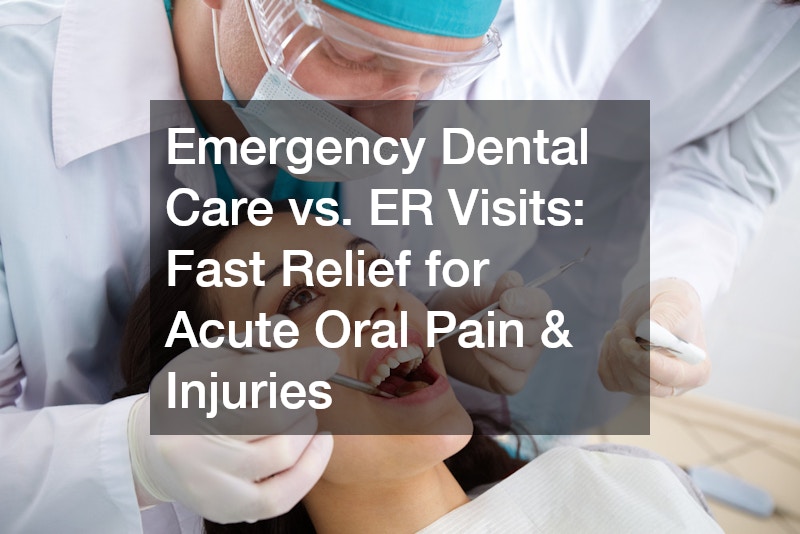

A sudden, severe toothache can strike without warning, turning a peaceful day into an ordeal. When excruciating pain radiates through the jaw or a tooth breaks during a weekend activity, patients face a critical question: should they head straight to the hospital emergency room or seek urgent oral health treatment? Navigating this decision during a painful situation is challenging, yet making the right choice drastically affects recovery time, overall comfort, and out-of-pocket costs.
Emergency rooms excel at treating life-threatening crises, systemic infections, and severe bodily trauma. However, hospital staff members generally lack the specialized equipment and clinical training required to handle precise tooth restoration or nerve treatment. While an ER physician can evaluate general symptoms, they typically offer temporary pain management rather than fixing the underlying problem.
On the other hand, an emergency dentist possess the exact clinical tools, diagnostic technology, and professional training required to treat acute oral trauma at the primary root cause. When a patient schedules an urgent visit with a skilled dentist, they receive immediate, effective restorative intervention rather than a temporary holding fix. Recognizing where to turn during an oral crisis empowers individuals to protect their teeth, save money, and gain fast relief when pain strikes unexpectedly.
Understanding Sudden Oral Pain and Trauma
Oral pain presents itself in various forms, ranging from dull, persistent aches to sharp, throbbing sensations that make speaking or chewing virtually impossible. Understanding the cause behind these uncomfortable symptoms helps patients determine the urgency of their condition. Tooth sensitivity to heat or cold often points to deep decay or an exposed root, whereas constant, pounding pressure usually signals an abscess or active bacterial infection beneath the gumline. Ignoring these warning signs frequently allows small issues to escalate into severe health emergencies.
Physical trauma to the mouth represents another common category of urgent dental crises. Sports accidents, accidental falls, or biting down unexpectedly on hard food objects can chip, crack, or completely dislodge a natural tooth. When physical damage occurs, immediate intervention is essential to save the compromised structure. A standard local doctor office is rarely equipped with the specialized imaging tools, handpieces, or restorative materials needed to repair a fractured cusp or re-solder a dental bridge.
Instead, visiting a dedicated dental office ensures that the patient receives comprehensive diagnostic evaluation using digital X-rays and targeted clinical assessments. Trained oral health teams can quickly assess structural damage, identify hidden internal nerve injury, and execute a custom treatment plan that relieves pain while preserving natural tooth structure.
What an ER Can and Cannot Do for Dental Crises
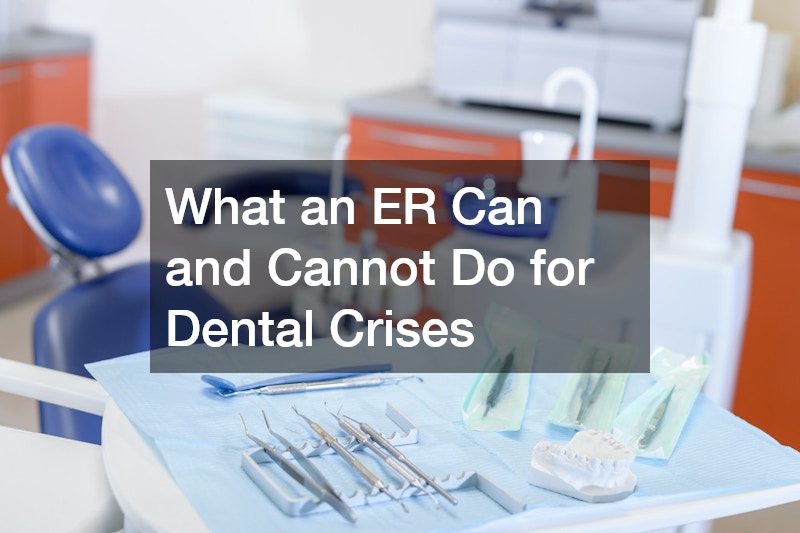
Hospital emergency departments perform an invaluable service within healthcare, saving lives during medical catastrophes daily. When a patient arrives at an ER with a dental complaint, triage nurses quickly evaluate whether the issue poses an immediate systemic threat. If a patient experiences severe facial swelling that compromises their airway, uncontrolled bleeding after a traumatic jaw injury, or a high fever accompanied by widespread infection, the emergency room remains the correct initial destination.
However, for standard oral injuries, broken teeth, or severe toothaches without systemic complications, emergency rooms have clear structural limitations. Medical doctors cannot perform root canals, replace fallen crowns, or bond fractured enamel. In most jurisdictions, state medical board regulations prohibit non-dental physicians from performing invasive tooth procedures. Consequently, an ER visit usually yields a temporary prescription for basic pain relievers or antibiotics, alongside general advice to follow up with a private clinical practitioner.
This temporary approach leaves the original problem unresolved, forcing the patient to seek treatment again shortly after discharge. By contacting a reliable local dentist directly during an acute crisis, individuals bypass lengthy hospital wait times and avoid receiving incomplete care. Furthermore, if a young child suffers an oral injury on the playground, consulting a gentler pediatric dentist provides specialized care designed specifically for developing primary and permanent teeth.
Common Dental Emergencies and Urgent Care Protocols
Identifying what constitutes a true oral emergency allows patients to take swift, effective action when unexpected injuries occur. A knocked-out or avulsed tooth represents one of the most time-sensitive scenarios in modern dentistry. If a permanent tooth is re-implanted or properly stabilized within sixty minutes of the injury, the chances of successful tissue reattachment rise significantly. Patients should handle the dislodged tooth exclusively by the crown, avoid scrubbing the root surface, and store it in milk or saline while traveling to the clinical facility.
Abscesses and severe infections also demand prompt clinical attention. Bacterial infections localized deep within the tooth pulp can quickly spread into surrounding jaw bone tissue, lymph nodes, and soft facial structures if left untreated. Symptoms such as facial swelling, a foul taste in the mouth, and localized throbbing indicate an urgent need for professional drainage and root canal therapy.
Restorative hardware breakdowns can create unexpected pain as well. When sharp edges of broken partial or complete dentures irritate tender oral tissues, immediate professional adjustment is required to restore comfort and function. Similarly, individuals undergoing alignment therapy may experience painful wire pokes or loose brackets. In these situations, qualified orthodontists can repair loose appliances, trim irritating wires, and protect soft oral tissues from further abrasive damage.
Specialized Care: When Aesthetics and Trauma Collide
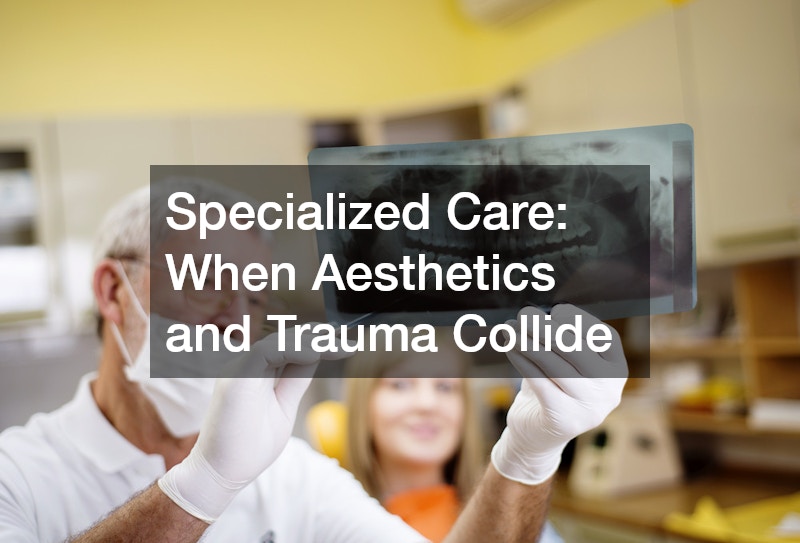
Dental trauma rarely affects function alone; it frequently compromises a person’s appearance and self-confidence. A hard impact to the front teeth can leave jagged edges, visible cracks, or discolored enamel that deeply impacts a patient’s willingness to smile or speak publicly. While an emergency room physician focuses almost exclusively on stopping severe bleeding and ruling out facial bone fractures, they cannot address subtle aesthetic rebuilding or precise visual symmetry.
Addressing the visual impact of acute trauma requires artistic skill alongside clinical expertise. Consulting a trained cosmetic dentist allows patients to restore damaged front teeth using color-matched composite bonding, porcelain veneers, or natural-looking crowns. These specialized practitioners meticulously evaluate bite alignment, shade matching, and facial proportions to ensure that repaired teeth look indistinguishable from surrounding natural enamel.
Furthermore, maintaining underlying oral health plays an indispensable role in preventing sudden structural failures. Regular hygiene appointments and professional teeth cleaning sessions remove hardened plaque deposits, eliminate harmful bacterial harbors, and allow clinicians to identify early enamel weakening before a major structural fracture occurs. Proactive hygiene routines drastically reduce the likelihood of suffering sudden tooth pain or unexpected structural failures during daily activities, protecting both overall function and cosmetic appearance for many years.
Financial and Time Costs: ER vs. Urgent Dental Care
Beyond clinical effectiveness, practical factors like financial expense and time management weigh heavily on patients during an acute medical crisis. Hospital emergency rooms are designed and staffed for high-acuity trauma care, which carries substantial operational overhead. As a result, receiving even basic diagnostic evaluation in an emergency department often results in astronomical facility fees, physician service bills, and separate charges for prescription medications.
In contrast, seeking direct treatment from specialized emergency dentists provides significantly higher financial predictability. Dental practices typically offer clear fee schedules for emergency exams, digital imaging, and immediate restorative procedures. Patients receive definitive treatment that fixes the underlying problem during the same appointment, preventing the need to pay double fees for an ineffective hospital visit followed by a secondary clinic visit.
Time savings represent another major practical advantage of direct dental intervention. Emergency room wait times can routinely stretch for several hours, as medical staff prioritize critical, life-threatening conditions over dental complaints. A dedicated local dentist organizing urgent care appointments typically streamlines patient intake, allowing individuals with severe tooth pain to be evaluated and treated within a fraction of the time required at a busy municipal hospital.
Preventing Emergencies Through Routine Oral Health Care
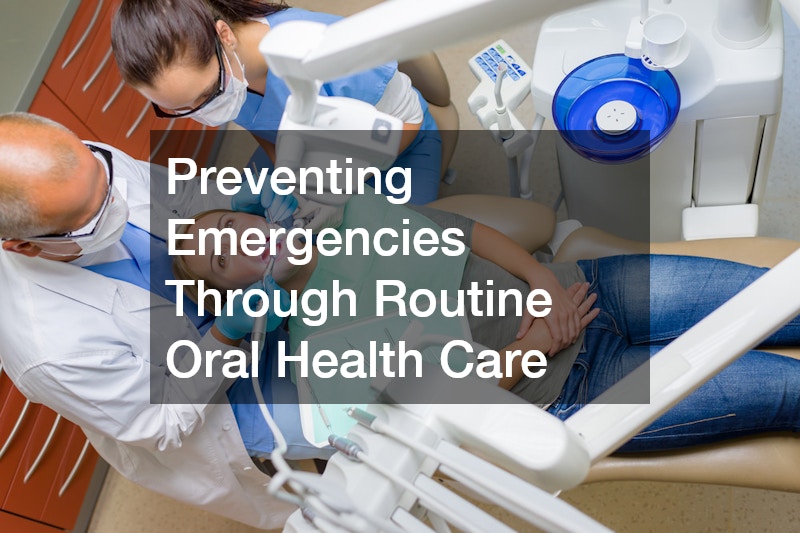
While emergency situations can arise from unpredictable physical accidents, many severe toothaches and acute oral infections build up silently over extended periods. Unmanaged dental decay, minor structural hairline cracks, and early gum inflammation often cause little to no discomfort in their initial stages. Without routine professional evaluations, these asymptomatic conditions gradually progress much deeper into the tooth structure, eventually reaching sensitive internal nerve tissue and causing sudden, excruciating throbbing pain.
Establishing a consistent relationship with a qualified dentist serves as the most effective defense against sudden oral health crises. Comprehensive bi-annual examinations enable clinicians to utilize advanced diagnostic technology, such as digital radiographs and intraoral imaging, to detect minor decay, failing existing restorations, and subtle structural weaknesses before they transform into painful emergencies.
In addition, maintaining regular appointments at a trusted dental office allows clinical teams to provide personalized preventive guidance and protective appliances. From custom athletic mouthguards for active sports participants to specialized nighttime bite guards for individuals who grind their teeth, targeted preventive measures safeguard natural tooth enamel against unexpected physical trauma and chronic wear, preserving long-term oral stability and comfort.
How to Handle Specific Trauma Scenarios Before Getting Help
How a patient or caregiver responds in the immediate minutes following an oral injury can dramatically influence the ultimate outcome of clinical treatment. When a tooth is chipped or fractured, the individual should carefully rinse their mouth with warm water to clear debris and apply a cold compress to the external cheek area to minimize soft tissue swelling. Collecting any broken tooth fragments and keeping them moist in clean water or fresh saline can also assist the treating clinician during restorative bonding.
Children require specialized attention during oral trauma due to the unique developmental nature of primary and young permanent teeth. If a toddler knocks out a primary tooth, parents should avoid trying to force the tooth back into the socket, as doing so can permanently damage the developing adult tooth germ beneath the gums. Instead, contacting a skilled pediatric dentist immediately ensures proper evaluation of the socket, clear guidance on soft tissue healing, and monitoring of surrounding teeth.
For individuals wearing fixed orthodontic appliances, sudden impacts can dislodge archwires or break bonding brackets, causing painful tissue irritation. If a loose wire pokes into the cheek or gums, soft orthodontic wax should be applied over the sharp end as a temporary safety barrier while contacting experienced orthodontists for prompt appointment repairs and wire adjustments.
Restorative and Long-Term Solutions After an Injury
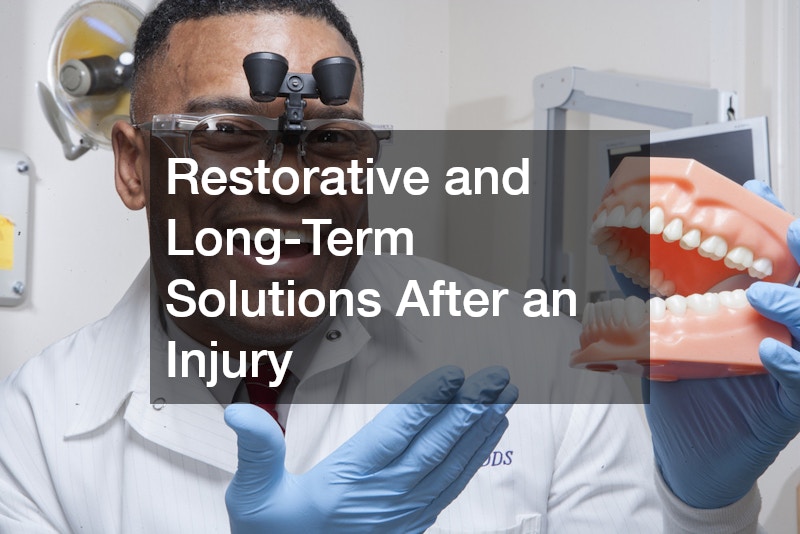
Resolving an immediate pain crisis represents only the first phase of complete oral rehabilitation. Once acute discomfort is managed and active tissue infection is eradicated, patients must focus on long-term structural and aesthetic recovery. Leaving empty spaces from missing or unsalvageable teeth unaddressed can lead to shifting adjacent teeth, altered bite mechanics, jaw joint strain, and eventual bone loss within the maxillary or mandibular arches.
Modern restorative dentistry provides a diverse range of durable solutions designed to restore full chewing function and natural appearance. When multiple teeth are lost due to severe physical trauma or advanced infection, customized partial or full dentures offer an effective, accessible way to rebuild arch structure, restore facial profile support, and improve speech clarity for affected individuals.
For patients seeking permanent, seamless aesthetic restoration for cracked, chipped, or missing front teeth, partnering with an experienced cosmetic dentist yields exceptional results. Advanced materials such as high-strength lithium disilicate crowns, durable porcelain bridges, and biocompatible titanium dental implants integrate beautifully with existing oral structures, offering long-lasting structural strength alongside unmatched visual naturalism for complete personal confidence and functional health.
Making the Right Call in a Crisis
Knowing where to turn during an acute dental emergency empowers patients to make calm, well-informed decisions when time is of the essence. While hospital emergency rooms remain essential for life-threatening medical crises, severe jaw fractures, and systemic infections affecting breathing, dedicated urgent dental practices offer superior diagnostic technology, immediate pain relief, and direct structural repairs for tooth-specific injuries.
Understanding the distinct capabilities of different medical providers ensures that individuals and families receive the exact care required without experiencing unnecessary hospital delays or facing bloated emergency bills. While a standard local doctor office provides routine physical health checkups and general illness treatments, specialized oral care facilities remain the primary, proper resource for saving compromised teeth and protecting oral stability.
Ultimately, combining immediate access to urgent dental care with consistent preventive maintenance forms the solid foundation of lifelong oral wellness. Prioritizing routine professional examinations and regular teeth cleaning treatments keeps natural tooth structures remarkably strong and resilient, dramatically minimizing the likelihood of sudden tooth pain while ensuring that any unexpected oral injuries receive fast, definitive relief from experienced clinical professionals.