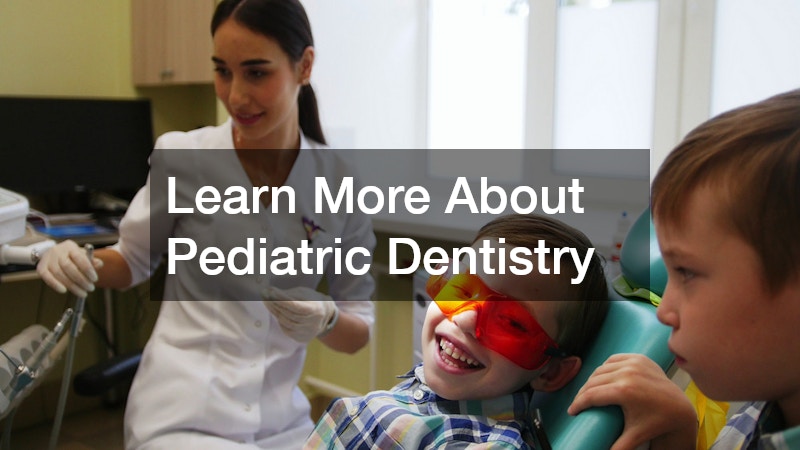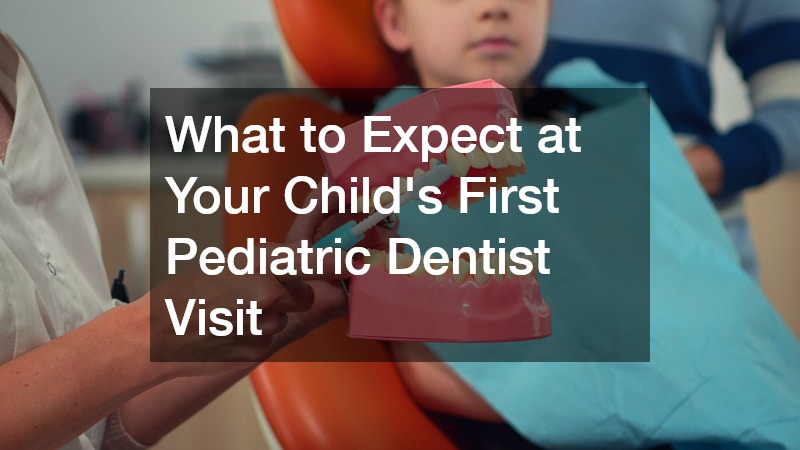

Taking your child to their very first appointment with a pediatric dentist is a major milestone, but it can also raise a few questions for parents. Knowing what lies ahead helps replace any uncertainty with confidence, ensuring a smooth and cheerful outing for both you and your young one. Here is a clear breakdown of how the appointment typically unfolds, what the practitioner will check, and how you can prepare beforehand.
Preparing for the Big Day
A little preparation goes a long way toward building a positive relationship with dental care right from the start. Children easily pick up on parental emotions, so keeping your own tone upbeat and relaxed is one of the best things you can do.
Framing the Experience Positively
Talk about the upcoming visit as an exciting adventure rather than a chore or something to endure. Avoid using trigger words like “pain,” “hurt,” or “needles,” even if you are trying to reassure them that those things won’t happen. Instead, explain that a friendly pediatric dentist for teeth is going to count their smile, shine a bright light on their teeth, and teach them how to keep their smile strong. Reading children’s books or watching educational videos about dental checkups beforehand can also help familiarize them with the environment. Additionally, building this early comfort with dental visits prevents future dental phobias. When children learn that visiting the dental office is a routine, painless experience, they grow into adults who prioritize their oral health. This lifelong commitment to healthy habits begins with that very first gentle checkup today.
Administrative and Scheduling Tips
Schedule the appointment at a time when your child is normally well-rested and content, such as early morning or right after a nap. Avoid booking during typical naptime hours or right before lunch when hunger might lead to fussiness. Completing any required paperwork online in advance can also save time in the waiting room, allowing you to focus entirely on comforting and engaging your little one.
Arriving and Settling In
When you arrive, you will notice that the environment is tailored specifically for young patients. Bright colors, toys, books, and friendly staff members are all intentional choices designed to make the setting feel welcoming rather than clinical.
The Lap-to-Lap Exam Position
For babies, toddlers, and very young children, the physical exam is usually conducted using a comfortable technique known as the lap-to-lap method. You will sit face-to-face with the practitioner, resting your knees together. Your child sits on your lap facing you, and then gently lays back so their head rests on the practitioner’s lap. This position allows your child to maintain eye contact and physical contact with you throughout the entire checkup, providing continuous reassurance while giving the practitioner a clear view of their mouth.
What Happens During the Examination
The physical checkup is quick, gentle, and non-invasive. The primary goal during this initial visit is evaluation and familiarity, rather than intensive cleaning or treatment.
Checking Development and Oral Cavity
The examination focuses on far more than just visible teeth. The practitioner will carefully examine the gums, cheeks, tongue, and roof of the mouth to check for any signs of oral thrush, tongue-tie, or unusual tissue growth. They will inspect existing primary teeth for early signs of decay, proper enamel development, and alignment, while also assessing jaw growth and spatial arrangement.
Gentle Cleaning and Guidance
If your child is comfortable and cooperative, a gentle cleaning may be performed using a soft toothbrush or a gentle polishing tool to remove plaque buildup. If appropriate, a mild fluoride treatment might be applied to strengthen the enamel against cavities. Throughout this process, every tool and step is explained using kid-friendly language to keep the experience stress-free.
Parent Education and Preventive Advice
A significant portion of the visit is dedicated to empowering you with the knowledge needed to maintain your child’s oral health at home.
Daily Care Routines
You will receive personalized recommendations on proper brushing techniques, the correct amount of fluoride toothpaste to use based on age, and how to gently clean between teeth that touch. Discussions often cover habits like thumb sucking, pacifier use, and bottle feeding at night, explaining how these behaviors impact jaw development and tooth alignment over time.
Nutrition and Oral Health
Nutrition plays a pivotal role in early dental health. You will discuss dietary habits, including the impact of frequent snacking, sugary beverages, and bedtime milk bottles on tooth enamel, along with tips for establishing healthy eating routines that protect tiny teeth.
Setting the Stage for Future Smiles
Leaving the office with a small reward—like a sticker, a new toothbrush, or a tiny toy—helps cement the visit as a success in your child’s mind. Establishing this routine early establishes a foundation of comfort and trust, ensuring your child views oral health care as a normal, positive part of growing up. Regular checkups every six months will keep their development on track and help maintain a healthy, confident smile for years to come.